
 由 英语数字智库
了解更多:考研英语:传媒舆论、舆情类词汇目录
作者:William Faulkner 威廉·福克纳
首次出版:1931 年 1 月
首次收录于:《Scribner’s Magazine》《斯克里布纳杂志》
出版背景:美国,以杂志刊载形式推出
收录说明:同年 9 月收录于短篇集《These 13》《这十三篇》
创作背景:
这是福克纳约克纳帕塔法系列短篇。
故事发生在南方杰斐逊小镇。
干旱燥热的天气烘托躁动氛围,
一则无凭流言激起种族偏见,
最终酿成私刑悲剧。
英文原文
Through the bloody September twilight,
aftermath of sixty-two rainless days,
it had gone like a fire in dry grass—the rumor,
the story, whatever it was.
Something about Miss Minnie Cooper and a Negro.
Attacked, insulted, frightened:
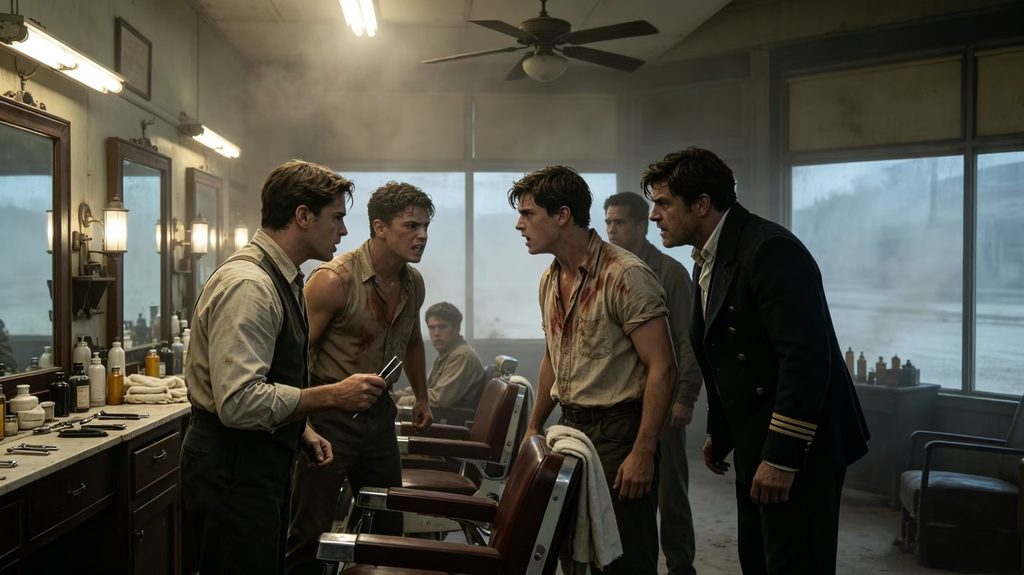
none of them, gathered in the barber shop on that Saturday evening
where the ceiling fan stirred, without freshening it,
the vitiated air,
sending back upon them, in recurrent surges of stale pomade and lotion,
their own stale breath and odors,
knew exactly what had happened.
“Except it wasn’t Will Mayes,” a barber said.
He was a man of middle age;
a thin, sand-colored man with a mild face,
who was shaving a client.
“I know Will Mayes.
He’s a good nigger.
And I know Miss Minnie Cooper, too.”
“What do you know about her?” a second barber said.
“Who is she?” the client said.
“A young girl?”
“No,” the barber said.
“She’s about forty, I reckon.
She ain’t married.
That’s why I don’t believe—”
“Believe, hell!” a hulking youth in a sweat-stained silk shirt said.
“Would you want a black man to say what he would do to your sister?”
“I don’t believe anything of it,” the barber said.
“Will Mayes never done it.
I know him.”
“Then who done it?” the youth shouted.
“Are you defending him?”
A heavy-set man named McLendon leaned forward,
his face dark and fierce.
He was a veteran,
quick to anger and hungry for violence.
“We’re going after him.
We’re not gonna wait for courts and papers.”
The barber tried to reason,
to tell them there was no proof,
no witness,
only loose talk floating through the hot town.
But the dry heat had seeped into their minds.
Rage moved faster than logic.
They slammed down razors and towels,
shouted and cursed,
and piled into an old automobile to hunt Will Mayes.
The barber followed them,
helpless and afraid.
He knew Will Mayes,
the quiet night watchman at the ice plant,
who minded his own business and troubled no one.
Minnie Cooper was a lonely spinster,
long past youth,
who had lived on small, faded hopes all her life.
No one could truly say what,
if anything, had passed between them.
The town baked under the thick, breathless dusk.
No wind stirred.
The dust hung in the air like smoke.
When they found Will Mayes,
he did not run.
He stared at them,
bewildered,
trying to understand why these white men had come for him.
The barber begged for mercy,
begged them to stop,
but his voice was thin against the crowd’s fever.
The car drove out from the town lights,
into the deep, empty dark beyond the roads.
Later,
they returned without Will Mayes.
The rumor died slowly,
stifled by the heavy, unbroken drought.
译文
在血色的九月暮色里,
连续六十二天滴雨未下,
流言像干草上的野火一般蔓延开来——
说不清是传闻,还是故事。
事关米妮·库珀小姐和一个黑人。
遭到袭击,受了侮辱,受到惊吓:
那个周六傍晚,众人聚在理发店里,
吊扇搅动着污浊的空气,
却丝毫无法降温,
一阵阵发臭的发油与润肤水的味道反复涌来,
混着他们自身浑浊的气息,
没有人清楚事情的真相。
“但不是威尔·梅斯干的。”一位理发师说。
他人到中年,
身形瘦削,肤色浅黄,面容温和,
正在给顾客刮脸。
“我认识威尔·梅斯。
他是个本分的黑人。
我也认识米妮·库珀小姐。”
“你对她了解多少?”第二个理发师开口。
“她是谁?”顾客问道,
“是个年轻姑娘吗?”
“不是,”理发师说,
“我估摸她快四十了。
一直没有嫁人。
所以我不信——”
“信个鬼!”一个穿着汗渍斑斑丝绸衬衫的壮硕年轻人喊道,
“要是有黑人对你妹妹做这种事,你乐意吗?”
“我不信这套说辞,”理发师说,
“威尔·梅斯不会做这种事。
我了解他。”
“那是谁干的?”年轻人大吼,
“你在替他说话?”
一个叫麦克伦登的壮汉往前探身,
脸色阴沉凶狠。
他当过兵,
极易动怒,渴望暴力。
“我们去找他。
我们才不等法庭和文书。”
理发师试图劝说,
告诉他们没有证据,
没有目击者,
只有燥热小镇里四处飘散的闲话。
可干旱的热浪已经侵入他们的思绪。
愤怒压倒了理智。
他们摔下剃刀和毛巾,
叫骂着,
挤进一辆老旧汽车,要去捉拿威尔·梅斯。
理发师跟了上去,
无助又惶恐。
他认识威尔·梅斯,
冰厂安静的夜班看守,
向来安分守己,从不招惹旁人。
米妮·库珀是个孤独的老处女,
青春早已逝去,
一辈子靠着微弱、褪色的念想度日。
没人能真的说清,
两人之间到底发生过什么,抑或什么都没有。
小镇在沉闷窒息的黄昏里炙烤着。
一丝风也没有。
尘土像烟雾一样悬浮在空中。
他们找到威尔·梅斯的时候,
他没有逃跑。
他望着众人,
满心茫然,
不明白这些白人为什么来找他。
理发师苦苦哀求他们手下留情,
劝他们停下,
可他的声音在这群狂热的人面前微弱无力。
车子驶离小镇的灯火,
开进道路之外幽深空旷的黑暗里。
后来,
他们回来了,威尔·梅斯却不在车上。
流言慢慢沉寂,
被这场持续不散的干旱闷住。
🔍长难句赏析与拆解
原句一
Through the bloody September twilight,
aftermath of sixty-two rainless days,
it had gone like a fire in dry grass—the rumor,
the story, whatever it was.
句式解读
aftermath of sixty-two rainless days 作插入语,交代环境背景;
it指代后文的rumor,用明喻写出流言扩散之快。
句子主干
It had gone like a fire in dry grass.
原句二
none of them, gathered in the barber shop on that Saturday evening
where the ceiling fan stirred, without freshening it,
the vitiated air,
knew exactly what had happened.
句式解读
where引导定语从句修饰理发店;
without freshening it 插入分隔谓语stirred与宾语the vitiated air;
what引导宾语从句。
句子主干
None of them knew exactly what had happened.
原句三
But the dry heat had seeped into their minds.
Rage moved faster than logic.
句式解读
两句简短独立句,对比手法,简洁有力,烘托人群失去理性的状态。
句子主干
The dry heat had seeped into their minds. Rage moved faster than logic.
📖全篇句式特点
福克纳长短句交错。
长句堆叠环境、氛围,拖沓压抑,贴合南方闷热凝滞的感觉;
短句短促锋利,用来表现冲突、怒火。
大量插入语打破常规语序,营造躁动、混乱的叙事感,
克制内敛,不直接抒情,靠环境和对话暗藏张力。
核心词汇
1. twilight
/ˈtwaɪlaɪt/
暮色,黄昏
名词(n.)
2. aftermath
/ˈɑːftəmæθ/
后果,余波
名词(n.)
3. vitiated
/ˈvɪʃieɪtɪd/
污浊的,败坏的
形容词(adj.)
4. hulking
/ˈhʌlkɪŋ/
高大笨重的
形容词(adj.)
5. veteran
/ˈvetərən/
老兵,退伍军人
名词(n.)
6. spinster
/ˈspɪnstə(r)/
老处女
名词(n.)
7. bewildered
/bɪˈwɪldəd/
困惑的,茫然的
形容词(adj.)
8. mercy
/ˈmɜːsi/
怜悯,宽恕
名词(n.)
9. drought
/draʊt/
干旱
名词(n.)
📜文学赏析
《干旱的九月》以干旱作为核心象征。
酷热不只是天气,更是人心里面躁动、野蛮的情绪。
小镇白人仅凭没有证据的流言,就动用私刑。
福克纳借此批判美国南方根深蒂固的种族歧视。
理发师是少数清醒者,却无力阻止群体的暴力。
小说没有直白血腥的描写,留白的结局更让人寒意丛生。
💡主旨品读
小说揭示群体偏见的可怕。
狂热很容易吞噬理性,流言可以轻易毁掉一个无辜者。
干旱、燥热、流言、种族仇恨交织在一起,
展现出文明外壳之下潜藏的野蛮。
沉默与旁观,同样是暴力的推手。
©英语数字智库 版权所有
未经权利人许可,不得转载、摘抄、复制、
二次编辑或商用分发,违者将依法追究法律责任。
请点击返回首页收录经典目录