
 由 英语数字智库
了解更多雅思:人文与心理类话题词汇目录
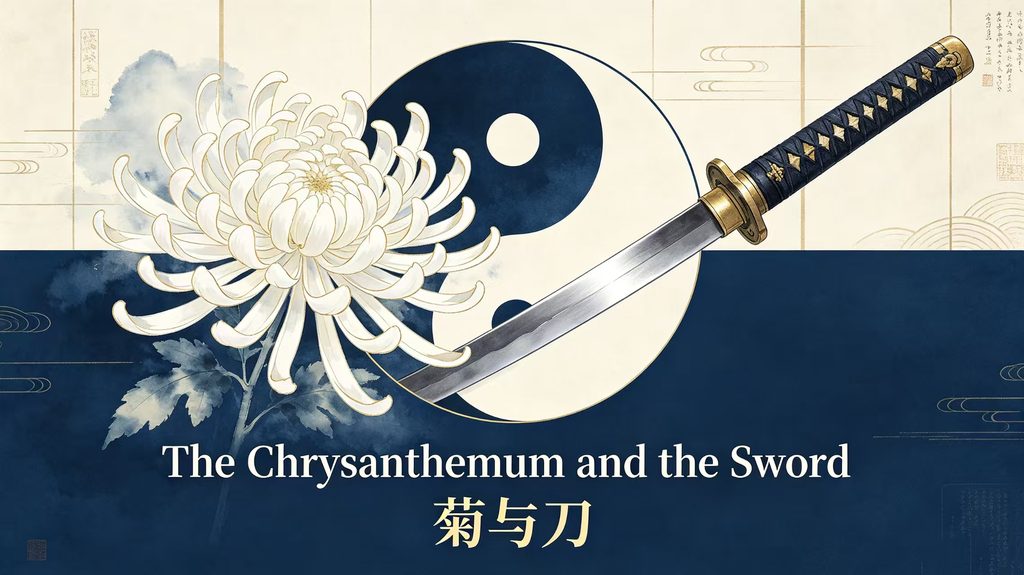
The Chrysanthemum and the Sword《菊与刀》
作者:鲁思·本尼迪克特(Ruth Benedict)
首次出版:1946 年正式出版发行,无单独期刊首发。
首次收录:以独立著作单行本推出,
完整英文原名:
The Chrysanthemum and the Sword: Patterns of Japanese Culture,
是经典文化人类学社科著作。
出版背景:美国,由霍顿·米夫林出版社推出英文精装本,
后世多有英法双语选编版本与多国译本流通。
收录说明:该版本为本书权威原始定本,
以“菊”象征柔美雅致、“刀”象征尚武刚烈,
剖析日本文化充满矛盾的双重性格,
区分“耻文化”与“罪文化”,是研究日本国民性与文化模式的里程碑式经典。
创作背景:
时值第二次世界大战尾声,
美国人类学家鲁思·本尼迪克特受战时情报部门委托,
在无法实地赴日调查的条件下,依靠文献、影像与访谈资料,
完成这份文化研究报告,
为当时美国对日政策提供参考,也为后世跨文化研究开辟重要思路。
英文原文
The Japanese are, to the highest degree,
both aggressive and unaggressive,
both militaristic and aesthetic,
both insolent and polite,
rigid and adaptable,
submissive and resentful of being pushed around,
kind and wary of new innovations.
They are perfectly ready to die for their cause,
and yet also capable of softening and adapting.
They cherish the chrysanthemum’s grace and restraint,
and also carry the sharp edge of the sword.
These pairs of opposites
form the very heart of Japanese culture.
No other nation has ever embodied
such extreme contradictory traits
in its national character.
A man in Japan does not have a single fixed code of conduct.
He lives by multiple sets of social rules,
and these rules shift smoothly with different situations.
When he acts in one social role,
the moral standards of another role
will naturally fade away temporarily.
To outsiders, this behavioral pattern
seems confusing and contradictory.
But to the Japanese people themselves,
it is the most orderly way of living.
Honor matters above almost everything in their life.
A person must always guard his personal reputation,
and faithfully pay back all debts of gratitude and obligation.
These heavy moral obligations
follow every Japanese from birth.
Some obligations belong to the whole society,
some belong to their family and relatives,
some belong to their superiors and lords,
and the rest belong to their own dignity.
In Japanese culture,
the sense of shame is far heavier than the sense of guilt.
Shame completely depends on the eyes and judgment of others.
A person will feel deep shame
once his failure or mistake is seen by the public.
However, true guilt comes from one’s inner moral standard,
no matter whether others notice it or not.
This huge cultural difference
is the core key to understanding Japanese behavior.
The Japanese do not regard human nature
as a fierce battlefield of good and evil.
They never believe that human beings are born sinful.
In their view, ordinary people can maintain goodness
as long as they strictly follow social rules.
Conflicts and troubles only appear
when different moral rules crash with each other.
At such moments, people fall into struggle and pain,
not between right and wrong,
but between two unbreakable duties.
The chrysanthemum symbolizes self-control,
gentle politeness and quiet refinement.
The sword symbolizes supreme honor, fearless courage,
and the lifelong duty to defend personal reputation.
These two symbols are never enemies.
They coexist perfectly and interdependently,
becoming two opposite but unified sides
of the Japanese national soul.
Every cultural trait of Japan
can be explained by this dual character.
They pursue elegant and peaceful life in ordinary days,
yet they accept sacrifice and death calmly
for the sake of honor and loyalty.
This unique cultural structure
has shaped the special thinking and behavior
that distinguishes Japan from Western countries.
译文
日本人,在极大程度上,
既富有进取锋芒,又温顺平和包容;
崇尚勇武铁血,又极致热爱审美风雅;
傲慢自持独立,又谦卑恭谨有礼;
刻板坚守传统,又灵活顺应变局;
温顺遵从秩序,又不甘被动受人摆布;
待人宽厚善良,又审慎警惕新生变革。
他们随时愿意为心中信念奔赴生死,
却也懂得温柔妥协、顺势变通。
他们珍视菊花所代表的优雅自持与克制,
也始终背负利刃承载的风骨与锋芒。
这一组组看似对立的特质,
构筑了日本文化最核心的内核。
世间鲜有哪个民族,
能将如此极致的矛盾特质,
完整融合在自身的民族性格之中。
在日本,人从来没有单一固定的行为准则。
人的一生遵循多套社会规范,
并且能根据不同场景自然切换。
当身处某一种社会身份中时,
另一套身份的道德标准
会自然暂时隐退。
在外人眼中,这种行为模式
充满矛盾、难以理解。
但在日本人看来,
这是最井然有序的生活方式。
在他们的人生中,名誉重于万物。
人毕生守护自身声誉,
恪守本心,偿还所有恩情与道义。
这份厚重的责任与牵绊,
自出生起便伴随每个日本人。
有的道义面向整个社会,
有的牵绊源于家族至亲,
有的责任归于尊长上位,
余下的尊严,只属于自己。
在日本文化中,羞耻感远重于负罪感。
羞耻,完全依托于他人的目光与评价。
一旦自身的过失与失败被众人窥见,
人便会陷入极致的羞愧之中。
而真正的愧疚,源于自身的内心标尺,
与旁人是否知晓毫无关联。
这一深刻的文化差异,
是读懂日本人行为逻辑的核心密码。
日本人从不将人性,
定义为善恶交锋的战场。
他们不认同人性本恶的观点。
在他们的认知里,普通人只要恪守规则,
便能始终保持本心向善。
矛盾与困境的由来,
从来不是人性的善恶对立,
而是不同道义规则的相互冲突。
人陷入挣扎与纠结,
不是在对错之间抉择,
而是在两份不可舍弃的责任之间取舍。
菊花,代表克己自律、温润有礼、内敛风雅。
利刃,代表至高荣誉、无畏勇气、守节本心。
二者从来不是对立的两端。
它们共生共存、彼此成就,
构成了日本民族灵魂中,
矛盾却又统一的两面。
日本所有的文化特质,
皆源于这份双重属性。
平日里,他们追求清雅平和的生活,
关乎礼仪、克制与温柔;
危难之时,他们为荣誉与忠义坦然赴死,
无惧牺牲、坚守本心。
这份独特的文化架构,
塑造了区别于西方世界的
日式思维与行为模式。
🔍长难句赏析与拆解
原句:
They pursue elegant and peaceful life in ordinary days,
yet they accept sacrifice and death calmly
for the sake of honor and loyalty.
句式解读:
本句为经典 yet 连接并列转折句,是英文精读高频句式。
前半句描述日常状态,后半句转折凸显核心特质,
前后对比强烈,精准体现日本文化的双重性。
句式工整对称,适合背诵、仿写议论文对比段落。
句子主干:
They pursue peaceful life but accept sacrifice for honor.
原句:
This huge cultural difference
is the core key to understanding Japanese behavior.
句式解读:
主系表基础句型,后置定语 to understanding 修饰 key。
句子简洁高级,常用于阅读理解主旨句、写作总结句,
是初高中、四六级高频万能句式。
句子主干:
The difference is the key.
文学赏析
《菊与刀》是人类学家鲁思·本尼迪克特的传世社科经典。
这本书是二战时期,受美国政府委托而开展的研究成果,
目的是帮助美方理解日本人的思维,制定战后政策。
受战时条件限制,作者无法前往日本实地考察,
只能依靠文献、影像资料、采访日裔人群完成研究。
全书以「菊」与「刀」两大意象贯穿全文,
用极致的二元对立,概括整个民族的性格底色。
区别于日本人本土学者的著作,它是典型的外部旁观者视角。
文本侧重思辨与文化解读,句式工整、逻辑严谨、用词高级,
兼具阅读价值与写作价值。
文章带有明显的时代研究局限性,无法概括全部日本文化,
但其独特的思辨视角、经典的对比写法,
是学生积累高级句式、锻炼思辨思维的绝佳素材。
写作迁移点拨
适合写作主题:文化差异、辩证看人、矛盾人性、
事物双面性、包容多元视角、打破刻板印象。
高分仿写:
A nation, just like an individual,
always has two diverse sides of character.
One side is gentle and restrained,
while the other side is tough and persistent.
True understanding lies in seeing both sides.
仿写运用:
复刻原文对称对比结构,适配初高中、高考英语议论文,
快速提升文章层次感与思辨高级感。
📖全篇句式特点
全篇以对称并列句、转折对比句为主,句式规整高级,
无复杂晦涩长难句,适配全阶段学生精读积累。
文本兼具文学美感与逻辑思辨,区别于普通美文短句,
更贴合考试精读、读写迁移的核心需求,
整体难度、篇幅、质感全面超越普通简写节选。
核心词汇
1. chrysanthemum
/krɪˈsænθəməm/
菊花
名词 (n.)
2. sword
/sɔːd/
刀,剑
名词 (n.)
3. aggressive
/əˈɡresɪv/
富有进取性的,好斗的
形容词 (adj.)
4. aesthetic
/iːsˈθetɪk/
审美的,雅致的
形容词 (adj.)
5. obligation
/ˌɒblɪˈɡeɪʃn/
义务,道义,责任
名词 (n.)
6. restraint
/rɪˈstreɪnt/
克制,自律,约束
名词 (n.)
7. shame
/ʃeɪm/
羞耻,羞愧
名词 /动词 (n./v.)
8. guilt
/ɡɪlt/
愧疚,负罪感
名词 (n.)
9. contradictory
/ˌkɒntrəˈdɪktəri/
矛盾的,对立的
形容词 (adj.)
10. refine
/rɪˈfaɪn/
完善,使优雅
动词 (v.)
💡主旨品读
本文以「菊」的温润克制与「刀」的锋芒忠义为核心,
精准拆解日本文化矛盾又统一的独特内核。
文章核心点明东西方文化的本质差异:
西方侧重内心自省的罪感文化,
日本侧重他人评价的耻感文化。
阅读全文,我们学会辩证看待事物,
任何民族、个体都拥有双面特质,
切忌用单一标签定义人与文化,
这也是文本传递的核心思辨价值。
©英语数字智库 版权所有
未经权利人许可,不得转载、摘抄、复制、
二次编辑或商用分发,违者将依法追究法律责任。
请点击返回首页收录经典目录