
 由 英语数字智库
了解更多:雅思:常规本意&熟词僻义目录
A Clean, Well‑Lighted Place《一个干净明亮的地方》
作者:欧内斯特·海明威(Ernest Hemingway)
首次出版:1933 年3月
首次发表刊物:Scribner’s Magazine
出版背景:英国原版刊印,后世多次校勘再版。
多国译本与双语选编版本广泛流传。
收录说明:
深夜的小酒馆里,一位老人久久不愿回家。
年轻侍者急于打烊,年长侍者却懂得这份留恋。
在灯光温暖干净的地方,人们短暂逃离虚无与孤独。
海明威用简单对话,写出人生深处那种挥之不去的空洞感。
明亮的灯火,只是用来暂时抵挡无边黑夜的慰藉。
创作背景:
一战之后,许多人陷入精神空虚与迷茫。
海明威借深夜酒馆的一幕,书写“迷惘一代”。
在看似平淡的日常里,藏着对生命虚无的深沉思考。
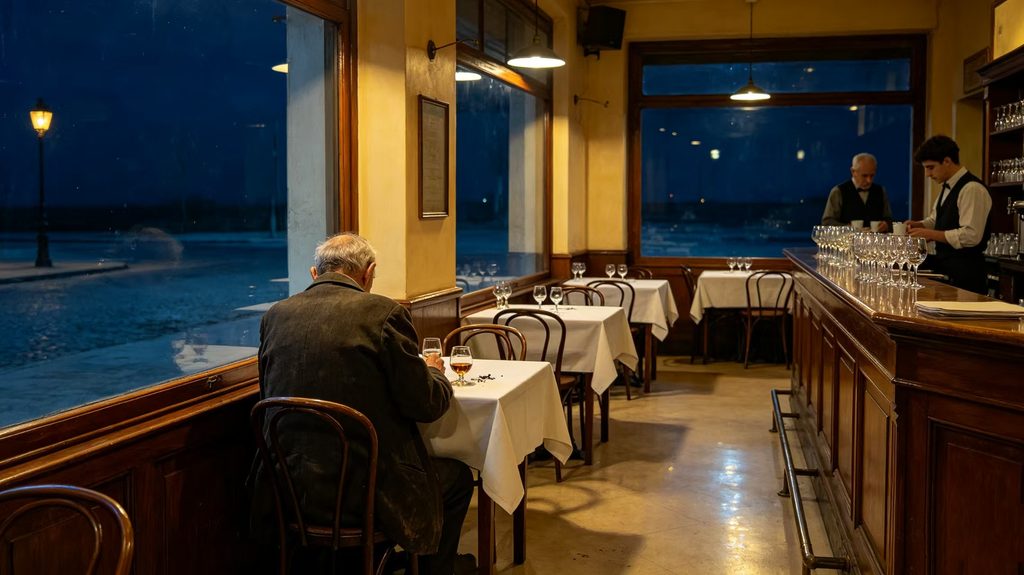
英文原文
It was very late and everyone had left the café
except an old man who sat in the shadow
the leaves of the tree made against the electric light.
In the daytime the street was dusty,
but at night the dew settled the dust
and the old man liked to sit late
because he was lonely,
and now the nights were cold.
The two waiters inside the café
knew that the old man was a little drunk,
and while he was a good client
they knew that if he got too drunk
he would leave without paying.
So they kept watch on him.
Last week he tried to commit suicide,
one waiter said.
“Why?”
“No reason.”
“How do we know there is no reason?”
“He has plenty of money.”
The young waiter was impatient with the old man
and anxious to go home to his wife and bed.
He spoke rudely,
urging the old man to finish his drink and leave.
He refused to understand the old man’s loneliness,
only caring about his own routine and comfort.
To him, the old man’s lingering
was nothing but an unnecessary delay.
The older waiter watched the scene calmly.
He did not blame the old man for staying out late.
He saw beyond the surface behavior
and perceived the hidden despair in the old man’s heart.
The old man had wealth,
but he possessed no spiritual support.
Material abundance failed to fill his inner void.
He had lost the meaning of life,
which drove him to attempt suicide
and wander aimlessly at night.
When the young waiter forced the old man to leave,
the old man stood slowly,
unsteadily adjusted his clothes and hat,
and walked out into the dark empty street
without a word of complaint.
His silence revealed deep helplessness
and thorough desolation of spirit.
After closing the café,
the young waiter returned home peacefully,
free from inner troubles.
The older waiter remained awake and thoughtful.
He understood profoundly
the existential dilemma hidden in ordinary life.
All human beings inevitably face aging,
loneliness, loss and spiritual nothingness.
Ordinary houses provide physical shelter,
but cannot comfort restless souls.
A clean, bright and quiet place
becomes the only spiritual refuge for lost people.
It resists the darkness of night,
calms inner chaos,
and temporarily offsets the meaningless of existence.
The older waiter realized
that countless lonely people in the world
are silently enduring inner despair,
longing for a steady light and orderly space
to sustain their fragile spiritual world.
译文
夜色已深,
咖啡馆里的客人早已散尽,
只剩一位老人独坐灯下,
静处在树叶掩映、灯光投射的阴影之中。
白日的街道尘土飞扬,
夜晚的露水沉淀了尘埃,
老人总习惯久坐至深夜。
他内心孤苦无依,
加之秋夜寒凉,
更不愿独自回归空荡的居所。
店内两名侍者留意着这位老人,
知晓他已有几分醉意。
老人向来举止得体、是店内熟客,
但二人担心他醉酒后不结账离开,
因此一直默默留意他的举动。
一名侍者谈起,
老人上周曾尝试自杀。
旁人追问缘由,
却找不到确切的现实诱因。
老人家境优渥、衣食无忧,
物质层面毫无缺憾,
却依旧选择终结生命。
年轻的侍者对老人充满不耐,
他急于结束工作,
归家陪伴妻子、安然入眠。
他言语生硬直白,
催促老人尽快喝完酒水、起身离开。
他无法共情老人的处境,
仅着眼于自身的作息与便利,
将老人深夜的停留视作无端的耽误,
无法感知背后深沉的精神苦难。
年长的侍者始终冷静旁观,
他并未苛责老人深夜滞留的行为。
他穿透表层的举止,
读懂了老人潜藏心底的绝望。
老人坐拥财富,
却无精神寄托、无心灵归宿。
丰盈的物质生活,
无法填补他内心巨大的空洞。
生命失去支撑与意义,
是他轻生、深夜漂泊的根本缘由。
在年轻侍者的强硬催促下,
老人缓缓起身,
身形摇晃地整理衣物与帽子,
一言不发,
默然走进漆黑空旷的街巷。
他的沉默,
是极致的无助,
更是精神世界彻底荒芜的体现。
咖啡馆打烊之后,
年轻侍者心安理得归家安睡,
内心毫无波澜与共情。
年长的侍者却彻夜清醒、深思不已,
洞悉了普通人生命深处的生存困境。
所有人终其一生,
都难逃衰老、孤独、失去与精神虚无。
世俗的房屋只能庇护人的躯体,
却无法安放漂泊、躁动的灵魂。
干净、明亮、安宁的方寸之地,
成为失意、孤独之人唯一的精神归宿。
它抵御黑夜的荒芜,
安抚内心的混乱,
暂时消解生命自带的虚无与荒诞。
年长的侍者深刻明白,
世间无数孤独的灵魂,
都在默默承受无人知晓的精神绝境,
毕生渴求一处恒定的光亮、有序的天地,
维系濒临崩塌的精神世界。
🔍长难句赏析与拆解
原句一
It was very late and everyone had left the café
except an old man who sat in the shadow
the leaves of the tree made against the electric light.
句式解读
本句为并列复合句,
由and衔接前后两个分句。
who引导限制性定语从句,
修饰先行词an old man,
限定人物状态。
the leaves of the tree made
为省略关系代词的定语从句,
修饰shadow。
多层定语层层嵌套,
精准勾勒深夜独处的静态画面,
以环境静谧反衬人物内心孤寂,
贴合海明威极简叙事风格。
句子主干:
Everyone had left the café except an old man.
原句二
He understood profoundly
that countless lonely people in the world
are silently enduring inner despair,
longing for a steady light and orderly space
to sustain their fragile spiritual world.
句式解读
that引导宾语从句,
作谓语understood的宾语。
longing for为现在分词短语作伴随状语,
补充世人的精神渴求。
不定式to sustain作目的状语,
点明光亮空间的精神价值。
句式层层递进,
由个体老人的孤独上升至人类共性困境,
深化文本的哲学内涵。
句子主干:
He understood that people are enduring despair.
文学赏析
《一个干净明亮的地方》是海明威冰山创作原则的巅峰短篇作品。
全文无激烈冲突、无曲折剧情,
仅截取深夜咖啡馆的短暂片段,
以极简的人物对话与场景描写,
承载厚重的人性与生命哲思。
文章构建两组鲜明对照:
富裕却精神荒芜的老人、
麻木功利的年轻侍者、通透悲悯的年长侍者。
物质富足与精神贫瘠的反差,
浅层功利认知与深层生命共情的反差,
层层揭开现代人生存的核心困境。
小说突破表层的“孤独叙事”,
挖掘生命本质的虚无感。
老人衣食无忧却一心求死,
印证物质富足无法消解精神空洞。
深夜明亮干净的咖啡馆,
不再是普通消费场所,
成为对抗黑暗、虚无、绝望的精神图腾。
作者以深夜黑暗象征人生的荒诞与苦难,
以明亮整洁的空间象征人类毕生追寻的秩序、温暖与精神救赎。
文本全程采用克制客观的叙事语调,
八分之七的情感与哲思藏于文字之下。
从老人独坐隐忍的绝望,
到年轻侍者的世俗麻木,
再到年长侍者的通透觉醒,
完成从个体悲剧到人类共性悲剧的升华,
含蓄揭露现代社会普遍的精神缺失与心灵漂泊的现状。
写作迁移点拨
适配写作主题:
物质与精神、孤独的本质、人性共情、
精神救赎、生命虚无、平凡生活的深层困境。
高分仿写
Material prosperity can satisfy physical needs,
but it can never fill the inner emptiness of human beings.
People are always searching for a bright and peaceful place,
to settle their wandering souls in the endless darkness of life.
仿写运用
适用于议论文升华、记叙文结尾拔高,
适配人文主题、成长主题、生命思考类写作,
文风克制高级、贴合学术答题规范。
📖全篇句式特点
全文以简洁短句为主体,
穿插少量多层嵌套长句,
长短错落、节奏平缓克制。
摒弃华丽修饰,
以极简客观的白描手法塑造人物、烘托氛围。
对话贴合人物身份与心境,
年轻侍者句式短促急躁,
年长侍者叙事舒缓深沉。
全篇以环境、动作、对话留白抒情,
不直接宣泄情绪,
以外在平静反衬内在汹涌的精神苦难,
极致体现海明威冰山叙事的美学特征。
核心词汇
1. commit suicide
/kəˈmɪt ˈsuːɪsaɪd/
自杀
短语
2. impatient
/ɪmˈpeɪʃnt/
不耐烦的,急躁的
形容词 (adj.)
3. spiritual
/ˈspɪrɪtʃuəl/
精神的,心灵的
形容词 (adj.)
4. void
/vɔɪd/
空洞,虚无
名词 (n.)
5. desolation
/ˌdesəˈleɪʃn/
孤寂,荒芜
名词 (n.)
6. refuge
/ˈrefjuːdʒ/
庇护所,归宿
名词 (n.)
7. chaotic
/keɪˈɒtɪk/
混乱的
形容词 (adj.)
8. sustain
/səˈsteɪn/
维系,支撑
动词 (v.)
💡主旨品读
本文核心主旨超越个体孤独的浅层表达,
深刻探讨现代人类的精神危机与生存本质。
真正的苦难从来不是物质匮乏,
而是精神无依、生命无寄托、内心无光亮。
老人的悲剧,
是无数现代人的缩影:
拥有安稳的生活外壳,
却抵御不住内心的虚无与深夜的荒芜。
“干净明亮的地方”
是全文核心象征意象,
代表秩序、温暖、安宁与精神救赎。
黑暗象征人生的荒诞、孤独与绝望,
而光亮整洁的方寸天地,
是人类对抗生命虚无唯一的精神依托。
海明威借深夜咖啡馆的人间一隅,
揭示深刻的人生真谛:
人的一生,
始终在对抗孤独与虚无。
肉体的居所随处可得,
而心灵的光亮与归宿,
是所有人毕生追寻的永恒命题。
作品以极简文字承载厚重的人文悲悯,
完成对人性、孤独与生命的终极叩问。
©英语数字智库 版权所有
未经权利人许可,不得转载、摘抄、复制、
二次编辑或商用分发,违者将依法追究法律责任。
请点击返回首页收录经典目录