
 由 英语数字智库
了解更多:考研英语:历史文化艺术类词汇目录
Rashomon《罗生门》
作者:芥川龙之介(Ryūnosuke Akutagawa)
首次出版:1915 年 11 月(大正 4 年 11 月)
首次发表刊物:《帝国文学》(Teikoku Bungaku)
出版背景:原版刊印,后世多次校勘再版。
多国译本与双语选编版本广泛流传。
收录说明:
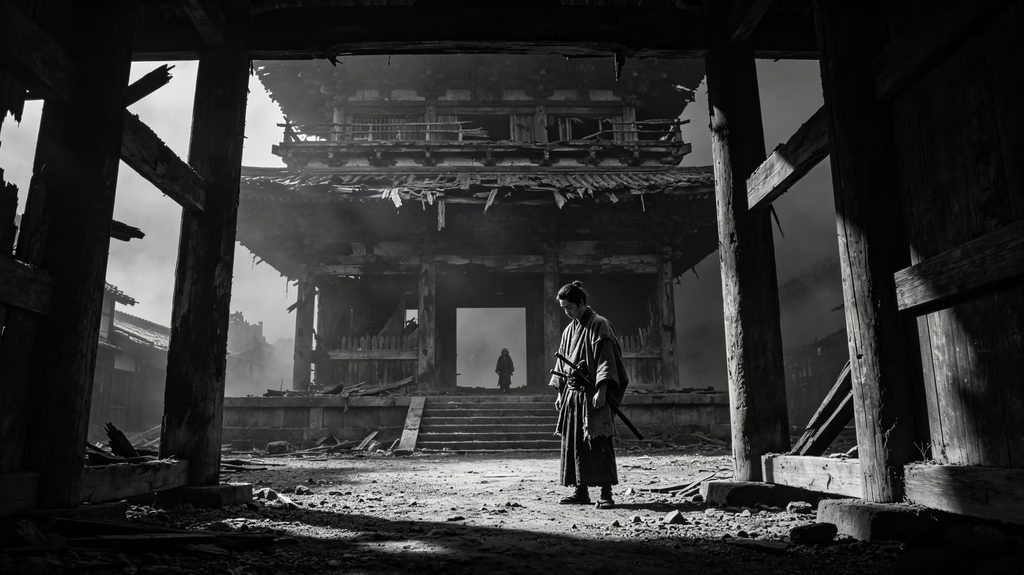
灾荒年代,走投无路的家仆在破败荒凉的罗生门下徘徊。
他挣扎在饿死与沦为强盗之间,内心善恶不断拉扯。
当看见老妇拔取死人头发求生,他最后的道德防线崩塌。
生存压力消解良知,最终他夺走老妇衣物,选择堕入恶。
故事借城门下一幕,撕开困境里人性利己的残酷真相。
创作背景:
故事取材于平安时代传说集
《今昔物语集》卷二十九第十八话
《罗城門登上層見死人盜人語第十八》。
大正初年社会动荡、民生凋敝,危机不断考验人的底线。
芥川龙之介借古老传说,拷问绝境之下人性的脆弱与自私。
英文原文
The afternoon dusk gradually deepened over the ancient capital of Kyoto.
Beneath the towering Rashomon Gate,
the bleak autumn wind swept endlessly across the empty stone ground.
The grand wooden gate,
once a solemn boundary landmark of the imperial city,
now stood weathered, cracked, and utterly desolate.
Years of war, famine, and civil unrest
had reduced the entire capital into a scene of utter ruin.
Streets lay deserted,
residential districts fell into decay,
and even the wild crows rarely wandered through the abandoned alleys.
A newly dismissed servant lingered alone under the shadow of the huge gate.
He had served a noble household for many years,
but the worsening social chaos
forced his master to abandon his servants entirely.
Penniless and homeless,
the young man had no reliable shelter and no means of survival.
The cold evening wind pierced his thin clothes,
bringing not only physical chill
but also endless anxiety about his uncertain future.
Faced with the cruel reality of starvation,
he was trapped in an irreversible moral dilemma.
If he chose to abide by traditional morality and dignity,
he would inevitably lie down and die in the cold street.
If he chose to abandon conscience and righteousness,
he could rob, steal, and survive as a wandering outlaw.
He paced slowly back and forth,
his gaze wandering over the dark ruined city,
struggling between the persistence of inner ethics
and the primitive desire for self-preservation.
The upper platform of Rashomon Gate
had long become a burial place for unclaimed corpses.
In the turbulent era,
countless impoverished civilians and unknown wanderers
died in the streets without proper funerals.
Their bodies were randomly placed on the wooden floor of the gate tower,
exposed to wind, frost, and night dew.
The dim twilight cast blurred shadows over the dead,
creating a solemn and terrifying atmosphere.
While hesitating repeatedly,
the servant accidentally noticed a slender figure in the deepest shadow.
An extremely elderly woman crouched among the scattered corpses.
She moved cautiously and timidly,
stretching out her bony trembling hands
to pluck dry hair from the heads of the deceased.
She performed the strange action calmly and skillfully,
collecting hair strands one after another
to weave crude wigs for sale and livelihood.
Out of instinctive moral disgust,
the servant rushed forward abruptly
and accused the old woman of her blasphemous conduct toward the dead.
In extreme fear,
the elderly woman knelt tremblingly and defended herself humbly.
She confessed that she had no intention of wrongdoing,
and that she merely struggled to survive.
In a world where social order had completely collapsed,
no one cared about moral etiquette or human decency.
Those who adhered to empty principles
could only end up starving to death in despair.
Her plain yet desperate words
shook the servant’s long-held moral cognition thoroughly.
He suddenly realized the fragility of morality in extreme hardship.
If plundering the dead was acceptable for survival,
all moral boundaries became vague and meaningless.
All his previous hesitation and moral restraint vanished instantly.
The instinct to live completely dominated his mind and judgment.
Driven by fierce selfish desire,
he ruthlessly snatched the old woman’s ragged coat.
He left the helpless elderly woman shivering among the cold corpses,
and rushed without mercy into the boundless dark night.
The decaying Rashomon Gate stood silently alone,
witnessing the thorough collapse of human morality
under the pressure of desperate survival.
译文
古老的京都都城,暮色缓缓沉降。
巍峨的罗生城门之下,
萧瑟秋风无休止扫过空旷的石地。
这座曾经象征皇城边界、庄严肃穆的大门,
历经岁月侵蚀、风雨剥落,早已残破荒芜。
连年的战乱、饥荒与社会动荡,
让整座都城彻底沦为破败废墟。
街道空无一人,
民居尽数颓败,
连山野乌鸦也极少穿梭于废弃街巷。
一名刚被主人辞退的家仆,
独自徘徊在巨大城门的阴影之下。
他常年侍奉贵族府邸,
但持续恶化的乱世局势,
迫使主人遣散所有仆从、自顾不暇。
此刻的他身无分文、无家可归,
没有栖身之所,没有谋生之路。
晚风穿透单薄衣衫,
带来刺骨的寒意,
也带来对未知前路的无尽惶恐。
面对即将降临的饥饿绝境,
他陷入无法挣脱的道德两难。
倘若恪守传统道义与人格尊严,
便只能卧身寒街、冻饿而亡。
倘若舍弃良知与礼法准则,
便可劫掠偷盗、落草求生、苟活于世。
他缓缓踱步,
目光掠过满目疮痍的都城,
在内心伦理坚守
与原始求生本能之间反复挣扎。
罗生门的城楼高台,
早已沦为无人收殓的乱尸岗。
动荡乱世之中,
无数贫民与流浪者惨死街头,
得不到体面的丧葬安置。
他们的遗体被随意搁置在城楼木板之上,
任由风霜夜露肆意侵蚀。
昏暗的暮色投下斑驳阴影,
笼罩遍地尸身,
营造出肃穆苍凉、阴森死寂的氛围。
在反复迟疑纠结之际,
仆人在最深的阴影里瞥见一道瘦小身影。
一位年迈老妇蜷缩在凌乱的尸体之间。
她动作谨慎怯懦,
伸出枯瘦颤抖的双手,
逐一拔取死者干枯的发丝。
她的行为熟练从容,
不断收集散落的发丝,
用以编织简陋假发,换取微薄口粮、勉强维生。
出于本能的道德厌恶,
仆人骤然上前,
斥责老妇亵渎逝者、行径卑劣。
老妇惊恐跪地、浑身颤抖,
卑微地为自己辩解。
她坦言自己并无作恶之心,
一切行为皆为乱世求生。
在秩序彻底崩塌的世道里,
无人坚守礼法德行,
空洞的道德准则无法维系生命存续,
固守道义者,终将绝望饿死。
朴素却绝望的话语,
彻底撼动了仆人长久以来的道德认知。
他骤然看清:极致苦难之中,道义极其脆弱。
倘若为了生存便可亵渎逝者、突破底线,
世间所有的道德边界,都将失去约束意义。
他此前所有的迟疑、所有的良知束缚瞬间消散,
求生本能彻底掌控了他的思想与抉择。
在强烈的私欲驱使之下,
他无情夺走老妇身上唯一的破衣。
任由老人瑟瑟发抖、孤立无援地留在尸堆之间,
毫无怜悯地奔向无边沉沉黑夜。
残破荒芜的罗生门默然伫立,
静静见证着绝境生存之下,
人性道义彻底的崩塌与沉沦。
🔍长难句赏析与拆解
原句一
If he chose to abide by traditional morality and dignity,
he would inevitably lie down and die in the cold street.
If he chose to abandon conscience and righteousness,
he could rob, steal, and survive as a wandering outlaw.
句式解读
本句采用两组对称的条件状语从句结构,
形成工整的正反对比句式。
前后句结构完全平行,
分别对应坚守道义与舍弃道义两种人生选择。
句子使用虚拟语气逻辑,
还原人物内心极致对立的两难处境。
对称句式强化冲突张力,
直观呈现乱世个体无路可走的生存困境。
句子主干:
He would die. He could survive as an outlaw.
原句二
Her plain yet desperate words
shook the servant’s long-held moral cognition thoroughly.
He suddenly realized the fragility of morality in extreme hardship.
句式解读
前句为主谓宾完整的简单句式,
以plain yet desperate形成定语反差修饰人物语言。
后句嵌套宾语补足语义,
点明人物心理觉醒的核心内容。
两句衔接紧凑,
由外在对话刺激过渡到内在认知崩塌,
完整还原人物道德观反转的全过程,
逻辑层次严谨清晰。
句子主干:
Her words shook his moral cognition.
He realized the fragility of morality.
📖全篇句式特点
全文句式排布规整有序,
环境铺陈多采用长句,
层次丰富、节奏舒缓,
完整渲染荒凉压抑的乱世氛围。
人物动作与心理转折多用短句,
节奏紧凑、层次分明,
贴合人物内心波动与认知崩塌的过程。
整体文风客观冷峻、文字精炼克制,
无多余抒情与华丽修饰。
叙事全程保持中立视角,
依靠情节递进、人物反差、环境烘托传递主旨,
具备典型的芥川龙之介理性思辨的文学特征。
核心词汇
1. desolate
/ˈdesələt/
荒芜的,凄凉的
形容词(adj.)
2. dilemma
/dɪˈlemə/
两难困境
名词(n.)
3. morality
/məˈræləti/
道德,道义
名词(n.)
4. corpse
/kɔːps/
尸体
名词(n.)
5. blasphemous
/ˈblæsfəməs/
亵渎的,不敬的
形容词(adj.)
6. collapse
/kəˈlæps/
崩塌,瓦解
动词(v.)
7. primitive
/ˈprɪmətɪv/
原始的,本能的
形容词(adj.)
8. ruthless
/ˈruːθləs/
无情的,冷酷的
形容词(adj.)
💡主旨品读
《罗生门》的核心主旨,
是对极端环境下人性本质与道德价值的深度探究。
作品彻底解构世俗固化的善恶标准,
揭示出一个冷峻的人生真相:
道德是安稳秩序的产物,
恒定的良知无法独立于生存环境而存在。
乱世崩塌的社会秩序,
消解了礼法的约束力与道德的审判力。
底层小人物的所有恶行,
都是生存压迫下的人性异化。
老妇的妥协、仆人的堕落,
并非生而邪恶,而是在失去外部约束之后,
人性之中潜藏的利己本能被不断释放。
芥川龙之介无意简单地审判、谴责这两个底层人,
而是借罗生门这一处破败的空间,
搭建起一座人性的试验场。
当生存成为第一要务,
是非对错的边界便开始模糊。
小说的价值不在于给出善恶答案,
而在于引导读者思考道德的根基,
思考当外部秩序消失时,
人依靠什么守住内心的底线。
罗生门既是京都城墙上的废墟,
也是人类道德世界濒临倾颓的精神象征。
©英语数字智库 版权所有
未经权利人许可,不得转载、摘抄、复制、
二次编辑或商用分发,违者将依法追究法律责任。
请点击返回首页收录经典目录