
 由 英语数字智库
了解更多:雅思:常规本意&熟词僻义目录
作者:Alphonse Daudet(阿尔丰斯·都德)
首次发表日期:1872年5月13日
首次发表刊物:《L’Événement》
收录于短篇小说集《周一故事集》Contes du Lundi
创作背景:
1870普法战争,法国战败,割让阿尔萨斯、
洛林两省,普鲁士当局下令两省学校禁止教授法语,
强制改用德语授课;小说以阿尔萨斯乡村小学为舞台,
借孩童小弗朗士的视角,记录最后一堂法语课。
英文原文
The morning air over the village of Alsace carried a quiet, heavy stillness,
a kind of hush that the young boy Franz could not understand at first.
He had lingered on his way to school,
drawn by the warm sunlight,
the buzzing insects above the brook,
and the distant sound of the blacksmith’s hammer.
He was late again,
and deep inside, he feared the scolding from his teacher, Monsieur Hamel.
Franz had never cared much for his French lessons.
Grammar rules confused him,
reciting verbs felt dull and useless,
and he would rather wander through the fields
than sit bent over his textbook all morning.
When he finally hurried toward the schoolhouse,
he noticed something strange.
There was none of the usual noisy chaos:
no slamming desks, no shouts, no rustle of passing papers.
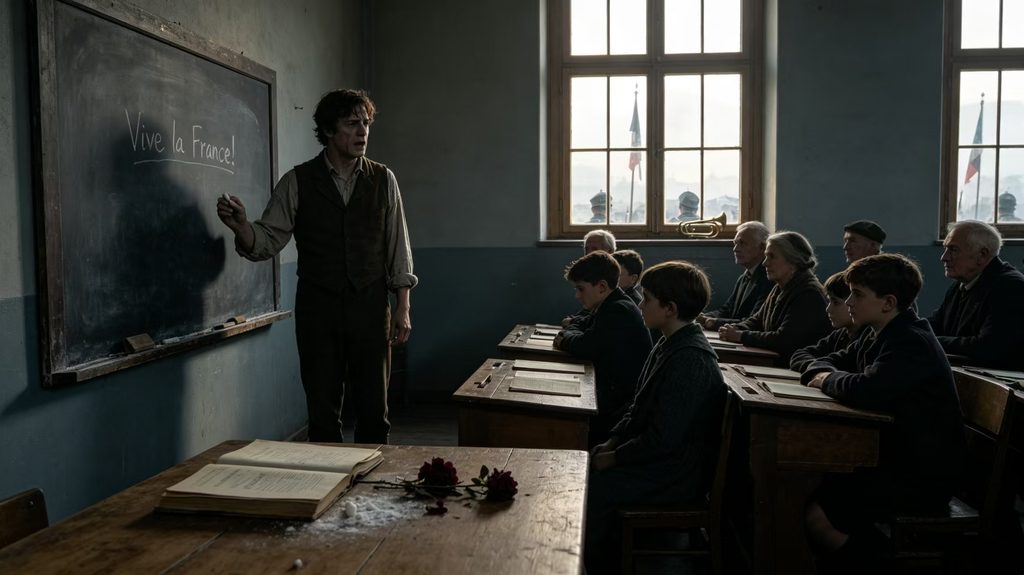
Through the window, he saw the villagers sitting quietly at the back of the classroom.
Old Hauser the carpenter,
the former mayor,
the postman,
and many other familiar faces from the town.
They sat straight, solemn,
holding worn old primers in their rough hands.
Monsieur Hamel spoke to the class in a gentle, grave voice.
He told them this would be their very last French lesson.
An order had come from Berlin.
From the next day onward,
only German would be taught in all schools of Alsace and Lorraine.
The words fell over the room like cold stone.
Franz’s heart sank.
Suddenly, all the French words he had ignored,
all the grammar he had refused to learn,
became precious beyond measure.
He regretted every chance he had wasted.
He regretted running away from study,
chasing butterflies instead of memorizing his lessons.
Monsieur Hamel went on with the class,
speaking slowly and carefully.
He explained the final grammar passage,
led them through reading practice,
and called Franz to recite.
The boy stumbled and failed,
yet the teacher did not blame him.
Hamel said it was the fault of grown-ups as well.
Adults put off learning,
children were sent out to work in the fields,
and everyone took their mother tongue for granted,
never knowing it might one day be taken away.
He told them that French was the most beautiful,
the clearest and most logical language in the world.
It was the key to their freedom.
As long as people held fast to their language,
they still held the key to break their chains.
The classroom went on,
the sunlight slanting across the wooden desks,
the sound of children’s soft reading mixing
with the quiet breathing of the elderly villagers.
Outside, the trumpets of the Prussian soldiers echoed in the distance.
The hour of the final lesson was drawing near.
Monsieur Hamel stood up,
his face pale with sorrow.
He tried to speak,
but his throat tightened,
and he could not finish his sentence.
He turned toward the blackboard,
picked up a piece of chalk,
and pressed hard with all his strength.
Beneath the watching eyes of every person in the room,
he wrote in large, bold letters:
“Vive la France!”
Then he leaned against the wall,
raised his hand without a word,
and gestured to them that the lesson was over.
译文
阿尔萨斯村庄清晨的空气里,笼罩着一种沉闷静谧的氛围,
小男孩小弗朗士起初并不明白这份安静意味着什么。
上学路上,他一路磨蹭,
贪恋暖融融的阳光,
溪边嗡嗡飞舞的小虫,
还有铁匠铺遥遥传来的打铁声。
他又要迟到了,
心底害怕韩麦尔先生的斥责。
从前的小弗朗士,从来不在意法语课。
语法条文让他头昏,
背诵动词枯燥乏味,
比起一整个上午埋首课本,
他更愿意在旷野里自在游荡。
当他匆匆赶到校舍前,
他察觉处处异样。
往日喧闹荡然无存:
没有课桌碰撞的巨响,没有叫嚷,
没有纸张翻飞的动静。
透过窗户,他看见村里的乡民安静坐在教室后排。
木匠奥泽尔老头、前任镇长、邮递员,
还有镇上许多熟悉的面孔都在这里。
他们端正坐着,神情肃穆,
粗糙的手里捧着破旧的识字课本。
韩麦尔先生用温和而沉重的语调向全班宣布,
今天,是他们最后一堂法语课。
柏林下达了命令。
从第二天开始,
阿尔萨斯与洛林所有学校,只允许教授德语。
这番话如同寒冰,落在整间教室。
小弗朗士的心猛地沉下去。
一瞬间,那些曾经被他漠视的法语词句,
那些他不肯用心学的语法,
变得无比珍贵。
他懊悔自己浪费的每一次机会,
懊悔逃避功课,追逐蝴蝶,不肯安心读书。
韩麦尔先生继续授课,语速缓慢而郑重。
他讲解最后一段课文,带着大家朗读,
又叫小弗朗士起来背诵。
男孩磕磕绊绊,背不完整,
可先生没有责备他。
韩麦尔说,这也是成年人的过错。
大人们总把学习一拖再拖,
孩子们常常要下地干活,
所有人都把母语当成理所当然,
从没想过,有一天它会被强行夺走。
他告诉孩子们,
法语是世上最美、最明晰、最严谨的语言。
它是他们争取自由的钥匙。
只要人们牢牢守住自己的母语,
就依旧握着挣脱枷锁的力量。
课程继续进行,
阳光斜斜洒过木课桌,
孩童轻柔的读书声,
和老人们沉稳的呼吸交织在一起。
窗外,普鲁士军队的军号从远处传来。
最后一课的时刻,快要走到终点。
韩麦尔先生站起身,面色苍白,满心悲恸。
他想要再说几句,喉咙却哽咽发紧,
一句话也说不完整。
他转身面向黑板,拿起一支粉笔,
用尽全身力气,重重写下几个遒劲的大字:
法兰西万岁!
写完之后,他靠在墙边,
默默抬起手,
示意大家,课到此结束。
🔍长难句赏析与拆解
原句一
He regretted every chance he had wasted.
He regretted running away from study,
chasing butterflies instead of memorizing his lessons.
句式解读
连续两句以He regretted引导,形成情绪上的叠加,
第二句用现在分词running、chasing并列,
把小弗朗士从前贪玩的画面和此刻的悔恨对照起来。
短句节奏克制,贴合孩童内心骤然翻涌的愧疚,
没有激烈的修饰,却感染力极强。
句子主干:
He regretted every chance. He regretted running away.
原句二
As long as people held fast to their language,
they still held the key to break their chains.
句式解读
as long as引导条件状语从句,
将母语比作解锁枷锁的钥匙,是全文核心警句。
to break their chains不定式后置修饰key,
语言简洁有力,把文化归属和民族抵抗含蓄地绑定在一起,
避开直白口号,意蕴深沉。
句子主干:
They held the key.
📖全篇句式特点
全文以孩童小弗朗士的有限视角串联叙事,
开篇多用轻快短句,贴合孩子散漫贪玩的心理;
随着情节推进,句子慢慢变得沉缓厚重。
作者不直接呐喊控诉战争,
所有悲痛都藏在环境细节、人物动作里:
安静的教室、到场的乡民、写在黑板上的文字。
叙事克制内敛,情绪层层递进,结尾留白,留给读者回味。
核心词汇
1. solemn
/ˈsɒləm/
肃穆的,庄重的
形容词(adj.)
2. primer
/ˈpraɪmə(r)/
识字课本,入门读本
名词(n.)
3. grave
/ɡreɪv/
沉重的,严肃的
形容词(adj.)
4. stumble
/ˈstʌmbl/
磕磕绊绊,结结巴巴
动词(v.)
5. logical
/ˈlɒdʒɪkl/
合乎逻辑的
形容词(adj.)
6. chain
/tʃeɪn/
枷锁,锁链
名词(n.)
7. gesture
/ˈdʒestʃə(r)/
示意,做手势
动词(v.)
💡主旨品读
《最后一课》并不只是怀念一门语言,
它写的是国土沦陷之后,文化身份的失去。
小弗朗士从前不懂得母语的分量,
直到禁令降临,
才明白语言不是书本上枯燥的符号,
是故土、记忆与民族精神的载体。
韩麦尔先生最后的板书,
不是激昂的开战宣言,
而是一种安静、坚韧的坚守。
武力可以占领土地,强制改换课堂语言,
但根植在民众心里的母语与家国情感,难以被剥夺。
小说借一堂短短的课,
写出了普通人在战争之下,无声又深沉的家国悲痛。
©英语数字智库 版权所有
未经权利人许可,不得转载、摘抄、复制、
二次编辑或商用分发,违者将依法追究法律责任。
请点击返回首页收录经典目录