
 由 英语数字智库
了解更多:雅思:人文与心理类话题词汇目录
作者:Anton Chekhov(安东·契诃夫)
首次发表日期:1898年8月
首次发表刊物:《俄罗斯思想》Russian Thought(第8期)
收录集子:契诃夫短篇小说三部曲(《套中人》《醋栗》《关于爱情》)
创作背景:
作为契诃夫经典爱情哲理短篇,
以双线爱情故事对照,剖析世俗规则与真挚爱意的矛盾,
探讨爱情无固定标准答案的人生真谛。
英文原文
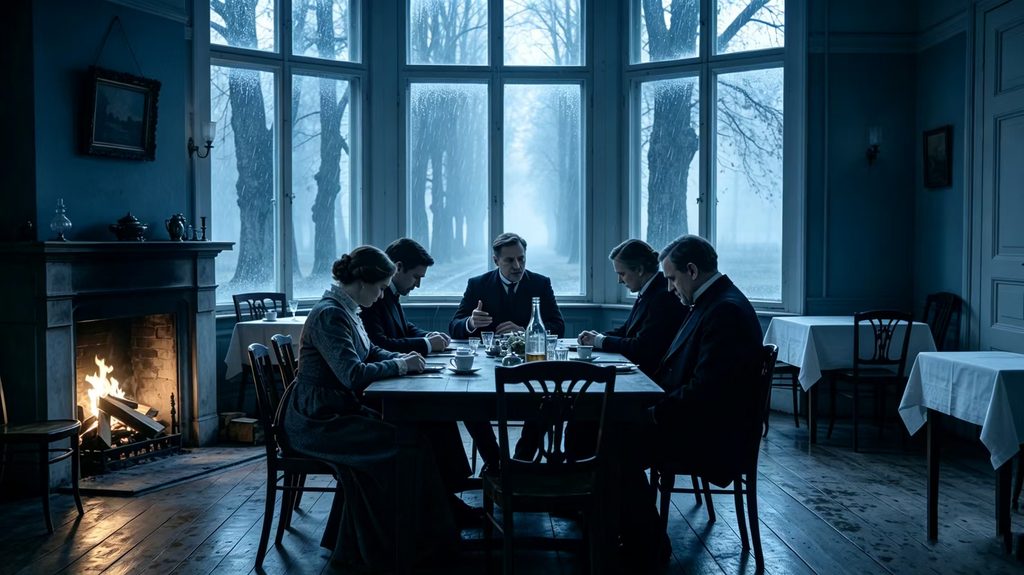
At dinner on a rainy summer evening,
we gathered in the quiet country manor,
chatting casually about trivial life matters.
The landowner Pavel Konstantinovich brought up
the love story of the estate gardener Nikanor,
a simple and honest middle-aged man
who had spent his whole life working on the farm.
Nikanor fell deeply in love with Pelageya,
a young and gentle maid working in the manor kitchen.
He was hard-working, sincere and responsible,
and he longed to marry the girl and live a stable life.
He believed legal marriage was the only proper ending
for a loyal and devoted love between a man and a woman.
To everyone’s surprise,
Pelageya firmly refused his marriage proposal.
She loved Nikanor truly,
and was willing to stay with him for a lifetime,
yet she feared the bondage of formal marriage.
She had witnessed countless miserable marriages in the village,
where gentle wives turned bitter and desperate
under the control and violence of their husbands.
She insisted that free love without marriage certificates
was far purer and warmer than a constrained marital life.
She refused to be bounded by secular rules and social customs,
choosing to cherish love with freedom rather than rigid formality.
This plain love story sparked heated discussion among all the guests,
making everyone fall into deep thought over the true meaning of love.
At this moment,
the manor owner and lawyer Alekhin fell into long silence.
After everyone stopped debating,
he raised his head and decided to share his own torturous love experience,
a hidden secret that had haunted his youth for many years.
When Alekhin was young and took over the rural manor,
he often communicated with the local judge Luganovich.
Luganovich was a mild, generous and trustworthy gentleman,
who had a graceful, intelligent and sentimental wife named Anna.
Anna possessed elegant manners and soft eyes,
always hiding faint sorrow behind her gentle smile.
She was tired of the dull, repetitive and empty marital life,
trapped in a peaceful but lifeless family routine.
Alekhin often visited their house to discuss work and life,
and gradually developed sincere affection for Anna.
The two kindred spirits shared identical views on life,
comforted each other’s inner loneliness,
and fell in quiet and sincere love unconsciously.
Their love was pure and profound,
yet it was trapped in countless worldly shackles.
Anna could not abandon her husband and family responsibility,
for she feared destroying the stable life of her whole family.
Alekhin dared not confess his love publicly,
for he dreaded malicious gossip and moral condemnation from the townspeople.
For several long years,
they restrained their deep affection silently.
They chatted and interacted as ordinary polite friends in public,
but endured endless suffering and longing in private.
They missed countless chances to confess their true feelings,
yielding repeatedly to secular ethics and public opinions.
They clung to moral constraints and worldly rules,
sacrificing their sincere love for trivial worldly reputation.
They believed their forbidden love would bring disaster and shame,
so they chose to bury their affection deep in their hearts forever.
Time passed quietly and mercilessly.
Judge Luganovich received a job transfer to a distant city,
and the whole family was about to leave the small town forever.
On the crowded and noisy railway platform,
faced with the upcoming permanent separation,
the two could no longer suppress their accumulated emotions.
They finally confessed their deep love for each other with tears.
However, all sincere words came too late.
The train whistle blew sharply to break the silence,
and the carriage slowly moved away from the platform.
Alekhin stood motionless in the wind and rain,
watching his only true love disappear completely in the distance.
After the farewell,
Alekhin walked alone on the muddy rainy road,
reflecting on the two completely different love stories.
He finally realized that love has no fixed rules and standard answers.
It is never defined by marriage certificates,
secular norms or moral dogmas.
True love is a pure and mysterious emotional encounter,
filled with joy and regret, sweetness and suffering.
All worldly shackles, moral prejudices and trivial reputations,
often become the biggest obstacles to sincere and precious love.
译文
一个阴雨绵绵的夏夜晚餐时分,
我们齐聚静谧的乡村庄园,
随意闲谈着生活琐事。
庄园主巴维尔·康斯坦丁诺维奇,
提起了庄园园丁尼卡诺尔的爱情故事,
这位忠厚朴实的中年男子,
一辈子都在这片农庄勤恳劳作。
尼卡诺尔深深爱上了庄园厨房年轻温柔的女佣佩拉格娅。
他勤恳踏实、真诚靠谱,
满心期盼迎娶这个姑娘,共度安稳余生。
他始终认为,对于真挚专一的爱恋而言,
合法的婚姻是唯一正当的归宿。
可所有人都倍感意外,
佩拉格娅断然拒绝了他的求婚。
她真心爱慕尼卡诺尔,
愿意一生相伴、不离不弃,
却极度恐惧婚姻带来的束缚与枷锁。
她亲眼目睹了村里无数不幸的婚姻,
无数温柔的妻子,
在丈夫的掌控与苛待下,变得痛苦绝望、面目憔悴。
她始终坚信,
没有婚姻契约束缚的自由爱恋,
远比拘谨压抑的婚姻生活更加纯粹温暖。
她不愿被世俗规矩、礼教习俗捆绑人生,
宁愿以自由之心守护爱意,也不愿拘泥于刻板形式。
这段朴素的乡间爱恋,引发了宾客们的热烈讨论,
也让所有人开始深思爱情真正的意义。
就在众人议论纷纷之时,
庄园主人、律师阿廖欣陷入了长久的沉默。
待所有人停止争辩,
他抬首起身,决定讲述自己一段煎熬的爱恋往事,
这段尘封多年的秘密,
困扰了他整个青春岁月。
阿廖欣年轻时接手这片乡村庄园,
常年与当地法官卢加诺维奇往来交好。
卢加诺维奇性情温和、宽厚真诚、为人可信,
他的妻子安娜优雅聪慧、心思细腻,眉眼温柔。
安娜举止温婉、眸光柔和,
温柔的笑意之下,总藏着淡淡的忧愁。
她厌倦枯燥乏味、循环往复、毫无生机的婚姻生活,
被困在安稳却空洞的家庭日常中,无法挣脱。
阿廖欣常常登门拜访,探讨工作与人生,
久而久之,对安娜萌生了真挚的情愫。
两个灵魂契合的人,拥有相同的人生见解,
彼此慰藉内心的孤独,
在朝夕相处中,悄然萌生了真挚深沉的爱意。
这份感情纯粹而厚重,
却被无数世俗枷锁牢牢禁锢。
安娜无法舍弃丈夫、抛下家庭责任,
唯恐打破安稳的家庭生活,连累至亲。
阿廖欣不敢当众袒露心意,
惧怕小镇流言蜚语,畏惧世俗的道德谴责。
漫长数年时光里,
二人默默克制心底浓烈的爱意。
人前,他们是举止得体、礼貌有度的普通友人;
人后,却承受着无尽的思念与煎熬。
无数次可以坦诚心意的机会,他们悉数错过,
一次次向世俗伦理、大众舆论妥协退让。
他们固守道德约束、遵从世俗规则,
为了虚无的世俗名声,牺牲了真挚的爱恋。
他们偏执地认为这份禁忌之恋会招致灾祸与羞辱,
最终选择将满腔深情,永远尘封心底。
时光悄然流逝,无情且匆匆。
卢加诺维奇接到外地调任通知,
一家人即将永远离开这座小镇。
人声嘈杂、熙攘纷乱的火车站台上,
面对即将到来的永久别离,
二人再也压抑不住积攒多年的情愫。
他们眼含热泪,终于向彼此坦白了深藏心底的爱意。
可所有真挚的告白,终究为时已晚。
尖锐的列车鸣笛划破沉寂,
车厢缓缓驶离站台,渐行渐远。
阿廖欣在风雨中静静伫立,
眼睁睁看着此生唯一的真爱,彻底消失在远方。
送别过后,
阿廖欣独自走在雨后泥泞的道路上,
细细回味两段截然不同的爱情。
他终于幡然醒悟:爱情从来没有固定的规则与标准答案。
婚姻证书、世俗规范、道德教条,从来定义不了真爱。
爱情是纯粹又玄妙的灵魂相遇,
有甜蜜亦有苦涩,有欢愉亦有遗憾。
所有的世俗枷锁、道德偏见、虚名浮利,
往往是阻隔真挚爱意、辜负真心的最大元凶。
🔍长难句赏析与拆解
原句一
She had witnessed countless miserable marriages in the village,
where gentle wives turned bitter and desperate
under the control and violence of their husbands.
句式解读
本句为主从复合句,主句承接人物行为,
后接where引导的非限制性定语从句,
专门修饰先行词the village,用来补充说明村庄婚姻的普遍现状。
定语从句在句中作地点状语,
清晰交代佩拉格娅恐婚的现实缘由,逻辑层层递进。
主句写实人物经历,从句拓展环境背景,
主从句结合完整塑造人物心理,句式规整、表意严谨,
是记叙文阐释人物动机的标准经典句式。
句子主干:
She had witnessed countless miserable marriages.
原句二
They clung to moral constraints and worldly rules,
sacrificing their sincere love for trivial worldly reputation.
句式解读
本句为主谓宾完整的简单句,
后半句为现在分词短语作结果状语,
现在分词sacrificing逻辑主语与主句主语They保持一致。
状语成分用来补充说明人物固守世俗规则,
最终产生的遗憾结局,实现行为与结果的衔接。
句式简洁规整、逻辑严密,
精准刻画人物因拘泥礼教、畏惧流言,
最终牺牲真挚爱情的悲剧内核,表意凝练且富有感染力。
句子主干:
They clung to moral constraints and worldly rules.
📖全篇句式特点
全篇采用契诃夫经典的现实主义叙事句式,
长短句错落排布,句式规整舒缓、语言质朴凝练。
全文以双故事双线并行的结构推进,
先用平民朴素爱情铺垫,再引入主角悲情爱恋,层层递进。
文本以客观叙事为主、心理描写为辅,
没有华丽辞藻堆砌,语言平实细腻、逻辑清晰。
大量使用定语从句、分词状语规范句式,
精准交代背景、阐释人物心理、串联情节脉络。
全篇依托现实世俗矛盾展开,
以生活化的场景与真挚的人物情感,
折射社会礼教、世俗偏见对人性与真爱的束缚,
文风克制深沉、立意通俗深刻,贴合教材赏析标准。
核心词汇
1. propose
/prəˈpəʊz/
求婚,提议
动词(v.)
2. bondage
/ˈbɒndɪdʒ/
束缚,桎梏
名词(n.)
3. secular
/ˈsekjələ(r)/
世俗的,尘世的
形容词(adj.)
4. constraint
/kənˈstreɪnt/
约束,限制
名词(n.)
5. confess
/kənˈfes/
坦白,坦诚
动词(v.)
6. accumulate
/əˈkjuːmjəleɪt/
积攒,累积
动词(v.)
7. mysterious
/mɪˈstɪəriəs/
玄妙的,神秘的
形容词(adj.)
8. obstacle
/ˈɒbstəkl/
障碍,阻碍
名词(n.)
💡主旨品读
本文通过两段反差鲜明的爱情故事,
打破了世人对爱情的刻板定义与固化认知。
园丁与女佣的民间爱恋,
挣脱婚姻形式的束缚,追求自由纯粹的真心;
律师与安娜的知己之恋,
深陷世俗礼教的牢笼,因顾虑流言、责任与名声,
亲手辜负了彼此最真挚的深情。
契诃夫以平淡写实的笔触揭示深刻哲理:
爱情从不受形式、规则、礼教的约束。
一纸婚姻文书只是世俗的形式,
从来不是衡量真爱、守护爱意的唯一标准。
世间太多真挚的感情,
最终败给了世俗偏见、道德枷锁与无谓的顾虑。
人们总习惯用世俗标准框定爱情,
用礼教规则束缚真心,
最终在犹豫与怯懦中,错失一生挚爱,留下终身遗憾。
真正的爱情,是灵魂的契合与真心的相守,
无关形式、无关名利、无关世俗评判。
所有拘泥于表象、屈服于世俗的妥协,
终会成为人生无法弥补的遗憾,
这也是小说留给读者最深刻的人生启示。
©英语数字智库 版权所有
未经权利人许可,不得转载、摘抄、复制、
二次编辑或商用分发,违者将依法追究法律责任。
请点击返回首页收录经典目录