
 由 英语数字智库
了解更多:考研英语:传媒舆论、舆情类词汇目录
Good Country People《善良的乡下人》节选
作者:Flannery O’Connor(弗拉纳里·奥康纳)
首次发表:1955年6月,《Harper’s Bazaar》
收录集子:1955年9月,《A Good Man Is Hard to Find》
创作背景:
本文创作于20世纪50年代美国南方社会转型阶段。
作者立足南方乡村世俗人情现状。
批判世人以固有标签刻板定义人性的普遍弊病。
以哥特式叙事手法揭露人性表象与本质的巨大反差。
英文原文
Mrs. Hopewell had no bad qualities of her own
but she was bored with her own virtues.
She was a woman of good will and simple judgment.
She always believed that good country people were honest,
harmless, and morally reliable by nature.
This fixed prejudice dominated her daily cognition and social judgment.
Her daughter Hulga was thirty-two years old,
highly educated, and physically disabled.
She possessed a doctorate degree in philosophy.
She held a thorough pessimistic and nihilistic attitude toward life and religion.
She despised ordinary rural people
and considered simple faith as ignorant spiritual weakness.
She took pride in her intellectual superiority
and firmly believed that she could see through all worldly falseness.
One afternoon,
a young Bible salesman came to the farmhouse to promote his books.
He looked young, innocent and humble.
His mild manners perfectly matched Mrs. Hopewell’s definition of “good country people”.
He spoke gently and behaved cautiously,
winning complete trust from the hostess at the first meeting.
Hulga remained indifferent and disdainful at first.
She thought the young man was just another superficial rural believer.
However, the boy’s sincere words gradually aroused her curiosity.
She decided to observe and analyze this typical rural specimen by herself.
She had never really looked at his face carefully
until she got up into the loft with him.
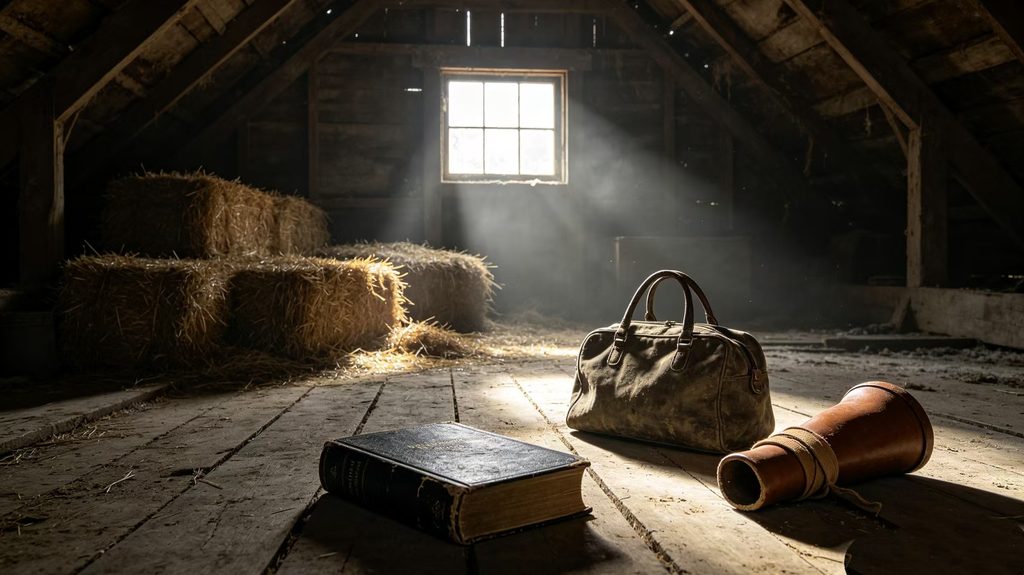
The sun came through the small square window
and fell on the back of his head,
turning his hair to a bright rusty gold.
He sat down beside her on the hay
and she could see his face plainly.
He had a smooth pale face
with eyes that seemed to be two holes punched in it.
There was no expression in them at all.
She stared at him for a long moment
and then she laughed,
a short harsh laugh that cut through the quiet air of the barn.
“You think you’re smart, don’t you?” he said.
His voice stayed even and gentle,
without the slightest trace of anger.
“I know I am,” Hulga said.
She leaned back on one elbow
and looked at him steadily.
“I have a doctorate in philosophy.
I know more about nothing than anybody alive.”
He nodded slowly,
as if he was carefully weighing her words.
He reached into his valise
and pulled out a small black Bible.
The cover was worn and cracked at the spine.
“I carry this everywhere,” he said softly.
“It helps me remember what matters.”
Hulga glanced at the book with contempt.
She did not believe in God,
and religious things struck her as childish fantasy.
“You don’t really believe all that old stuff, do you?” she asked.
Her tone was light and mocking.
He closed the Bible and set it aside on the hay.
“I believe in what I want to believe,” he answered.
“People see what they want to see.
You see a simple country boy selling Bibles.
That’s what you expected to see.”
A faint unease stirred inside her,
but she pushed the feeling away at once.
She was too intelligent to be unsettled by a farm boy’s vague remark.
She told herself that she was only curious about him,
curious to study this specimen of simple rural faith.
She let him take her hand.
His fingers were rough and warm,
and he held her hand carefully,
as if he was handling something fragile and precious.
“Tell me something,” he whispered.
“Tell me what it feels like to have a wooden leg.”
Hulga hesitated.
She rarely spoke about her artificial limb.
It was the secret center of her life,
the thing that separated her from ordinary people.
But in this moment,
she wanted to show him that she was not afraid.
She wanted to prove that her mind rose far above physical weakness.
“It’s just a part of me,” she said slowly.
“I don’t think about it much anymore.”
He leaned closer,
his eyes fixed on her knee.
“Can I see it?” he asked.
“Can I touch it?”
Hulga’s heart skipped.
She had never let anyone touch her leg before.
Yet a strange reckless excitement rose in her chest.
She thought this would be the ultimate test of her freedom.
If she could surrender this private thing to him,
nothing on earth could ever hurt her again.
She nodded slowly,
giving him permission.
He moved his hands gently,
undoing the straps one by one.
The artificial leg came free.
He held it in his lap and turned it over,
examining it with quiet fascination.
Hulga watched him,
waiting for some sign of wonder or sympathy.
But his face remained blank.
“You aren’t as smart as you think you are,” he said at last.
He stood up quickly,
still clutching her leg.
“I’ve gotten a lot of interesting things from people like you.
People who think they know everything.”
Hulga froze.
Her mouth went dry.
The barn loft,
which had felt open and secret a minute before,
suddenly closed in around her.
译文
霍普韦尔太太自身没有恶劣的品性。
但她对自己一贯的善良品性感到乏味。
她性情和善,判断事物简单直白。
她始终认定淳朴的乡下人天性诚实无害。
具备天然的道德品行。
这种固化的偏见,主导了她所有的日常判断与人情认知。
她的女儿赫尔加时年三十二岁。
学识渊博,身体带有残疾。
她拥有哲学博士学位。
对人生与宗教持有彻底的悲观与虚无主义态度。
她鄙视普通的乡村民众。
将朴素的信仰视作无知的精神弱点。
她以自身的学识优越感为荣。
坚信自己能够看穿世间所有的虚伪表象。
某天下午。
一名年轻的圣经推销员来到农场上门推销书籍。
他样貌稚嫩、举止谦卑。
温和的言行,完全契合霍普韦尔太太心中“善良乡下人”的标签。
他言语温柔、行事谨慎。
初次见面便彻底赢得了女主人的信任。
赫尔加起初态度冷漠、满心轻视。
她认为这名青年只是又一个肤浅、
盲从信仰的乡村普通人。
但少年真诚的言语,渐渐勾起了她的好奇心。
她决定亲自观察、剖析这一朴素乡村信仰的典型样本。
直到和他一起爬上阁楼。
她才第一次认真打量他的脸庞。
阳光穿过狭小的方形窗户,落在他的后脑勺上。
将他的发丝染成明亮的锈金色。
他挨着她坐在干草堆上,
她终于能清晰看清他的面容。
他面色白净平滑,双眼空洞无神。
脸上没有任何情绪起伏。
她久久凝视着他,随即发出一声冷笑。
短促刺耳的笑声,划破了谷仓静谧的空气。
“你觉得自己很聪明,对吗?”他开口问道。
他语调平和温柔,没有一丝怒意。
“我当然聪明。”赫尔加说道。
她单肘撑身,稳稳注视着对方。
“我拥有哲学博士学位。
在虚无认知方面,我胜过世上所有人。”
他缓缓点头。
仿佛在审慎掂量她的每一句话。
他从手提包中取出一本黑色旧圣经。
书本封面磨损,书脊开裂。
“我随身携带这本书。”他轻声说道。
“它让我铭记何为重要。”
赫尔加轻蔑地瞥了一眼书本。
她并不信仰神明。
在她眼中,宗教信仰只是幼稚的空想。
“你不会真的相信这些陈旧的说辞吧?”她问道。
语气带着戏谑与嘲讽。
他合上圣经,放置在干草之上。
“我只相信我愿意相信的事物。”他答道。
“人只会看见自己预设好的景象。
在你眼里,我只是一个普通的乡村卖书少年。
这正是你预先判定的结果。”
一丝微弱的不安在她心底滋生。
但她立刻压制住了这种情绪。
她自认学识高深,不会被乡下少年模糊的言语扰乱心智。
她告诉自己,自己只是单纯好奇。
想要研究这份代表乡村朴素信仰的人物样本。
她任由他牵起自己的手。
他的手掌粗糙温热。
小心翼翼地托着她的手,如同呵护易碎的珍宝。
“告诉我一件事。”他低声低语。
“装着木腿是什么感受?”
赫尔加心生迟疑。
她极少提及自己的假肢。
假肢是她内心最隐秘的执念。
是她区别于普通人的独特标识。
但此刻。
她想要向对方证明自己无所畏惧。
想要证明自己的思想高度,早已超越肉体的残缺。
“它只是我身体的一部分。”她缓缓说道。
“我早已很少在意。”
他缓缓凑近。
目光紧紧锁定她的膝盖位置。
“我可以看一看吗?”他询问。
“我可以触碰一下吗?”
赫尔加心头一颤。
她从未允许任何人触碰自己的假肢。
但心底升起一股肆意且无畏的亢奋感。
她认为这是验证自我精神自由的终极方式。
倘若她敢于交出自己最私密的寄托。
世间便再无事物可以伤害自己。
她缓缓点头,默许了他的请求。
他动作轻柔。
逐一解开假肢的绑带。
假肢顺利脱落。
他将假肢置于腿上反复翻看。
带着沉静的兴致细细端详。
赫尔加静静注视着他。
期待看到惊叹或同情的神情。
但他的面容始终毫无波澜。
“你并没有自己想象的那般聪慧。”他终于开口。
他迅速站起身。
手中紧紧攥着她的假肢。
“我从很多你这样的人身上收获过有趣的东西。
就是你们这些自以为洞悉一切的聪明人。”
赫尔加瞬间僵住。
口舌干涩发苦。
一分钟前空旷隐秘的谷仓阁楼。
此刻骤然变得压抑窒息。
🔍长难句赏析与拆解
原句一
The sun came through the small square window
and fell on the back of his head,
turning his hair to a bright rusty gold.
句式解读
本句为并列主谓宾简单句。
句尾 turning…gold 为现在分词作结果状语。
属于高频教学非谓语语法考点。
无需连词衔接主句,
自然承接阳光照射产生的视觉结果。
作者以温暖明亮的环境描写。
形成与后续恶意反转的戏剧反讽效果。
是英文文学写景铺垫的核心写作手法。
句子主干
The sun came through the window and fell on his head.
原句二
If she could surrender this private thing to him,
nothing on earth could ever hurt her again.
句式解读
本句为if引导虚拟条件状语从句。
采用虚拟语气表达主观假想。
从句假设未发生的行为。
主句否定主语强化绝对化心理认知。
精准外化女主极度自负、自我催眠的心理状态。
句式简洁但逻辑张力极强。
是塑造人物性格、推动情节反转的经典句型。
句子主干
Nothing could ever hurt her again.
📖全篇句式特点
全文采用第三人称限制性叙事视角。
以人物心理变化为叙事主线。
句式长短交替排布,节奏贴合剧情起伏。
大量运用现在分词结果状语、条件虚拟从句、方式状语从句。
频繁借助后置修饰结构精简句式、丰富画面层次。
文本大量运用反讽写作手法。
表层温和静谧,深层暗藏人性陷阱与认知谬误。
语法考点密集,文学手法典型。
适配高中、大学英语精读句法教学与文学赏析训练。
核心词汇
1. virtue
/ˈvɜːtʃuː/
美德,善行
名词(n.)
2. prejudice
/ˈpredʒudɪs/
偏见,成见
名词(n.)
3. nihilistic
/ˌnɪɪˈlɪstɪk/
虚无主义的
形容词(adj.)
4. contempt
/kənˈtempt/
轻视,蔑视
名词(n.)
5. specimen
/ˈspesɪmən/
样本,范例
名词(n.)
6. artificial
/ˌɑːtɪˈfɪʃl/
人造的,人工的
形容词(adj.)
7. limb
/lɪm/
肢体
名词(n.)
8. reckless
/ˈrekləs/
鲁莽的,无所顾忌的
形容词(adj.)
9. surrender
/səˈrendə(r)/
交出,屈服
动词(v.)
10. clutch
/klʌtʃ/
紧握,攥紧
动词(v.)
📜文学赏析
本文依托美国南方乡村日常场景展开叙事。
作者彻底颠覆大众对“善良乡下人”的固有美好认知。
文章塑造两类典型认知误区人物形象。
霍普韦尔太太以阶层标签定义人性。
片面认定乡村民众淳朴无害。
女主赫尔加以学识优越感轻视世俗普通人。
二人皆陷入主观认知的精神盲区。
作者利用人物外表与内心的强烈反差制造反转。
看似谦卑虔诚的圣经推销员。
实则心思狡黠、擅长伪装、利用人性弱点行骗。
温和的表象之下,藏着阴暗功利的真实人性。
全文以小见大,揭露普世人性弊病。
人的学识、身份、阶层,
都无法规避主观偏见带来的认知缺陷。
外在表象永远不能定义人性本质。
是美国南方哥特文学讽刺风格的经典体现。
💡主旨品读
选文通过女主赫尔加的受骗经历展开深度思辨。
女主拥有高等学识与超前思想。
自视清醒通透、超脱世俗愚昧。
最终却败给自己的傲慢与偏见。
文章深刻揭示核心主旨。
知识与学历无法完全治愈人性的自负与狭隘。
固化的标签认知、盲目的自我优越感。
是人最致命的精神枷锁。
所谓的淳朴善良、聪慧通透,
都只是人们自我预设的主观幻象。
人性复杂多变,无固定标签可循。
作者借本次人性反转的情节。
警醒世人摒弃刻板认知,正视人性的多元与幽暗。
©英语数字智库 版权所有
未经权利人许可,不得转载、摘抄、复制、
二次编辑或商用分发,违者将依法追究法律责任。
请点击返回首页收录经典目录