
 由 英语数字智库
了解更多:托福:社会科学词汇目录
作者:F. Scott Fitzgerald(F·司各特·菲茨杰拉德)
首次出版:1931 年 2 月 21 日
首次收录于:《The Saturday Evening Post》
出版背景:美国,以杂志刊载形式推出
收录说明:刊载后于 1935 年收录进短篇小说集《Taps at Reveille》(《晨号》)
创作背景:
《重返巴比伦》是菲茨杰拉德最成熟的短篇杰作。
故事写于1929年华尔街股灾之后,
爵士时代落幕、大萧条降临之际。
巴黎这座曾经夜夜狂欢的城市,
被喻为现代巴比伦,象征浮华与放纵。
主人公查理·威尔士,
曾经在爵士时代暴富、酗酒挥霍、纵情享乐。
股市崩盘之后,财富散尽,妻子离世,
女儿霍诺莉娅交由小姨一家抚养。
查理戒了酒,努力重建生活,
重返巴黎,想要夺回女儿的抚养权。
小说借着查理的悔恨与挣扎,
回望爵士时代的繁华幻灭。
探讨救赎、过错、失去,以及有些伤害一旦造成,
永远无法彻底弥补的悲哀。
英文原文
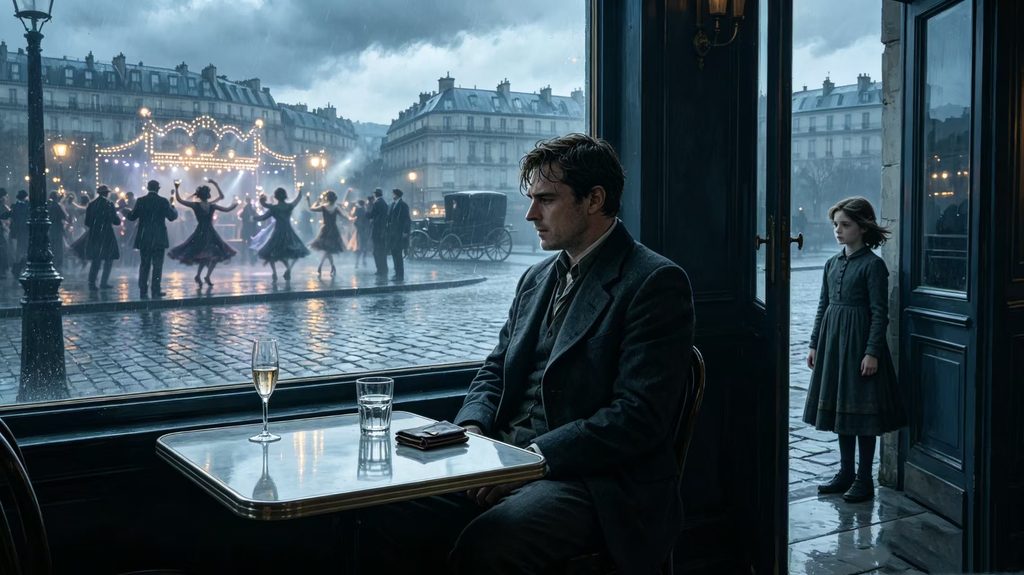
Charlie Wales sat at a small table in the Ritz bar,
looking out at the gray Paris afternoon.
He was thirty-five,
sober now, calm and careful in every word he spoke.
Two years before,
this same bar had been the center of his wild, reckless life.
Money had poured in easily then,
and he had thrown it away without a second thought.
He had bought bottles of rare champagne for strangers,
tipped doormen enormous sums,
and danced through nights that blurred into empty mornings.
Back then, Paris was a bright, loud Babylon,
a city built for pleasure and forgetfulness.
Now the boom was over.
The stock market had crashed,
and all that easy wealth had vanished overnight.
He had lost his wife Helen,
and his little daughter Honoria lived with Marion and Lincoln,
his wife’s sister and brother-in-law.
Marion had never forgiven him for the chaos he had brought into their family.
Charlie had come back to Paris with one single goal:
to take Honoria home,
to raise her properly,
to make up for all the ruin he had made.
He had not drunk alcohol for more than a year.
He ran a steady business in Prague,
earned money quietly,
and lived a simple, ordered life.
He knew that Marion still distrusted him deeply.
She remembered the drunken parties,
the fights,
the nights when Helen had been left alone and afraid.
Charlie understood her anger.
He did not argue that he was blameless.
He only hoped that time and his changed behavior
might soften her heart.
He planned to meet Honoria that afternoon,
to take her to a toy shop and a vaudeville show,
to spend quiet, gentle time with her.
When he saw the little girl run toward him,
his chest tightened with love and sorrow.
Honoria was nine years old,
quiet and thoughtful beyond her age.
She told him softly that they were no longer rich.
Charlie told her that today she could choose anything she wanted.
But she hesitated,
and said she already had many toys.
She did not want gifts;
she wanted to live with him.
“I spoiled this city for myself,” Charlie thought to himself.
“I did not realize it then,
but day after day slipped away,
and then everything was gone, and I was gone.”
Paris looked different now,
dim and drained of its old glitter.
Every street, every café,
carried memories of waste and regret.
He knew redemption was not easy.
Changing himself was only the first step.
The wounds he had left in other people’s hearts
could not be erased quickly.
A chance accident ruined his hope that day.
Two old drinking friends, Lorraine and Duncan,
wandered to Marion’s house,
drunk and careless.
Their sudden arrival awakened all of Marion’s old fears.
In one moment,
the trust Charlie had slowly built fell apart.
Marion decided she could not risk letting Honoria go with him.
Charlie tried to explain,
to beg for understanding,
but Marion could not set aside her fear.
He left the house,
holding the faint warmth of his daughter’s hug,
while his hope slipped away.
He walked back toward the Ritz bar,
the place where his old life had begun.
He knew he would keep trying.
He would keep working,
keep staying sober,
and keep waiting for another chance.
Yet he also understood a bitter truth:
some losses cannot be mended,
some mistakes leave scars that never fade.
The Babylon of pleasure was gone forever,
and the road to atonement would be long and lonely.
译文
查理·威尔士坐在丽兹酒吧的一张小桌边,
望着巴黎灰蒙蒙的午后。
他三十五岁,
如今已经戒酒,言语沉稳克制。
两年之前,
这间酒吧,曾是他放荡生活的中心。
那时钱财来得轻而易举,
他随手挥霍,毫不吝惜。
他会为陌生人买下名贵香槟,
给门童丰厚小费,
整夜狂欢,直到晨光麻木空洞。
那时的巴黎,是喧闹耀眼的巴比伦,
一座只为享乐、用来遗忘的城市。
繁荣已经落幕。
股市崩盘,
那些唾手可得的财富一夜之间化为乌有。
他失去了妻子海伦,
小女儿霍诺莉娅寄养在小姨马里恩和林肯家中。
马里恩始终无法原谅他给这个家带来的混乱。
查理重返巴黎,心中只有一个目标:
接走霍诺莉娅,
好好抚养她长大,
弥补自己曾经造成的所有毁灭。
他已经戒酒一年多。
他在布拉格经营一份稳定的生意,
踏实赚钱,
日子简单有序。
他清楚马里恩依旧深深怀疑他。
她记得那些醉酒的派对、争吵,
记得海伦独自惶恐的无数夜晚。
查理理解她的愤怒。
他从不会辩解自己毫无过错。
他只期盼时间、还有自己的改变,
能够软化她的心。
他打算下午和女儿见面,
带她去玩具店、看杂耍演出,
和她安静相伴。
当看见小姑娘朝他跑来,
爱意与酸楚同时攥紧了他的心。
霍诺莉娅九岁,
沉静早熟,心思细腻。
她轻声告诉他,他们不再富有了。
查理说今天她可以挑选任何喜欢的东西。
可她迟疑着,
说自己已经有很多玩具。
她想要的不是礼物,
而是和他一起生活。
“是我亲手毁掉了这座城市留给我的美好,”查理暗自想。
“我当时浑然不觉,
日子一天天溜走,
最后一切都消失了,我也迷失了。”
此刻的巴黎早已面目全非,
褪去往日浮华,黯淡无光。
每一条街道、每一间咖啡馆,
都装满挥霍与悔恨的回忆。
他明白救赎从不是一件容易的事。
改变自己,仅仅是第一步。
他留在别人心底的伤口,
无法轻易抹去。
一场意外,打碎了他当天的希望。
两个昔日酒友,洛林和邓肯,
醉醺醺、莽撞地闯到马里恩家中。
他们的突然出现,唤醒了马里恩所有旧日的恐惧。
一瞬间,
查理慢慢积攒起来的信任,轰然崩塌。
马里恩下定决心,不敢把霍诺莉娅交给他。
查理尽力解释、苦苦恳求,
马里恩却无法放下心中的顾虑。
他离开那栋房子,
怀里还留着女儿拥抱的微弱暖意,
希望却一点点消散。
他走回丽兹酒吧,
这个旧生活开始的地方。
他知道自己不会放弃。
他会继续努力,坚持戒酒,
静静等候下一次机会。
可他也读懂一条残酷的真相:
有些失去无法挽回,
有些错误留下的伤疤,永远不会消退。
享乐的巴比伦早已不复存在,
赎罪之路漫长而孤寂。
🔍长难句赏析与拆解
原句一
“I spoiled this city for myself,” Charlie thought to himself.
“I did not realize it then,
but day after day slipped away,
and then everything was gone, and I was gone.”
句式解读
这是全文最经典的内心独白。
简短重复,层层递进,充满怅惘。
这座象征浮华的巴黎,
是查理亲手毁掉的精神家园。
两个“gone”形成回环,
写出人在时代浪潮里迷失、自我放逐的无力感。
这句话浓缩了爵士时代一代人共同的幻灭。
句子主干
Charlie thought he spoiled this city for himself.
Days slipped away, everything and he were gone.
原句二
He knew redemption was not easy.
Changing himself was only the first step.
The wounds he had left in other people’s hearts
could not be erased quickly.
句式解读
长短句搭配,冷静克制,没有激烈控诉。
点明小说核心:改过自新,不等于自动获得原谅。
救赎不是单方面的自我改造,
还要承担过往过错带给他人长久的伤痛。
贴合菲茨杰拉德忧伤内敛的叙事风格。
句子主干
Redemption was not easy.
Changing himself was the first step.
Wounds could not be erased quickly.
📖全篇句式特点
全文是菲茨杰拉德典型的追忆式叙事。
语言克制、含蓄,哀而不伤。
多用内心独白,串联今昔对比。
一边是爵士时代纸醉金迷的回忆,
一边是大萧条之后沉静、沉重的现实。
行文脉络:
重返巴黎 → 旧日浮华回忆 → 改过自新、
渴求女儿 → 意外变故、希望落空 → 领悟救赎的艰难。
文字没有激烈的戏剧冲突,
靠留白、情绪暗流打动读者,
充满菲茨杰拉德标志性的失落与感伤。
核心词汇
1. redemption
/rɪˈdempʃn/
救赎,改过自新
名词(n.)
2. reckless
/ˈrekləs/
鲁莽放纵的,不计后果的
形容词(adj.)
3. vanish
/ˈvænɪʃ/
消失,消散
动词(v.)
4. atonement
/əˈtəʊnmənt/
赎罪,弥补
名词(n.)
5. distrust
/dɪsˈtrʌst/
不信任,怀疑
动词(v.)
6. chaos
/ˈkeɪɒs/
混乱,无序
名词(n.)
7. sober
/ˈsəʊbə(r)/
清醒的,戒酒的
形容词(adj.)
8. glitter
/ˈɡlɪtə(r)/
浮华,光彩
名词(n.)
9. scar
/skɑː(r)/
伤疤,创伤
名词(n.)
10. slip away
悄然流逝
短语
📜文学赏析
《重返巴比伦》是菲茨杰拉德短篇的巅峰之作。
标题中的巴比伦取自圣经,代表放纵、沉沦的罪恶之城。
巴黎就是爵士时代的巴比伦。
它见证一代人在暴富之后肆意狂欢,
又在股灾到来之后一无所有。
故事不是简单的浪子回头故事。
查理已经真的改变,戒掉酒瘾,踏实生活。
可他依然无法立刻得到原谅。
菲茨杰拉德冷静地指出:
放纵带来的伤害是长久的,
旁人的恐惧、伤痛不会随着主人公的悔改立刻消失。
这篇小说也藏着作者本人的投射。
菲茨杰拉德自己深陷酗酒、家庭破碎的痛苦,
他借查理的故事,写下自己的悔恨与无力。
在繁华落幕之后,
人只能背负过往的错,独自走漫长的赎罪之路。
💡主旨品读
小说的内核,探讨救赎的边界。
真诚悔改是可贵的,
但悔改并不自带“被原谅”的权利。
人要为自己曾经放纵的选择承担长久后果。
爵士时代的浮华是一场短暂幻梦。
财富、享乐可以一夜消散,
而过错带来的隔阂与伤痛,难以抹平。
查理的悲剧温柔又残酷:
他有重新做人的决心,
却未必能拿回他最珍视的亲情。
这篇故事告诉我们:
自我救赎是一条孤独的长路,
我们能掌控自己往后的选择,
却无法强迫别人放下曾经受过的伤害。
©英语数字智库 版权所有
未经权利人许可,不得转载、摘抄、复制、
二次编辑或商用分发,违者将依法追究法律责任。
请点击返回首页收录经典目录