
 由 英语数字智库
了解更多:雅思:公共医疗健康类词汇目录
作者:Anton Chekhov(安东·契诃夫)
首次出版:1892 年 11 月
首次收录于:《Русская мысль》《俄罗斯思想》
出版背景:俄国,以杂志连载形式推出
收录说明:后收录于短篇集《Рассказы》《短篇小说集》
创作背景:
这是契诃夫极具震撼力的社会批判中篇节选。
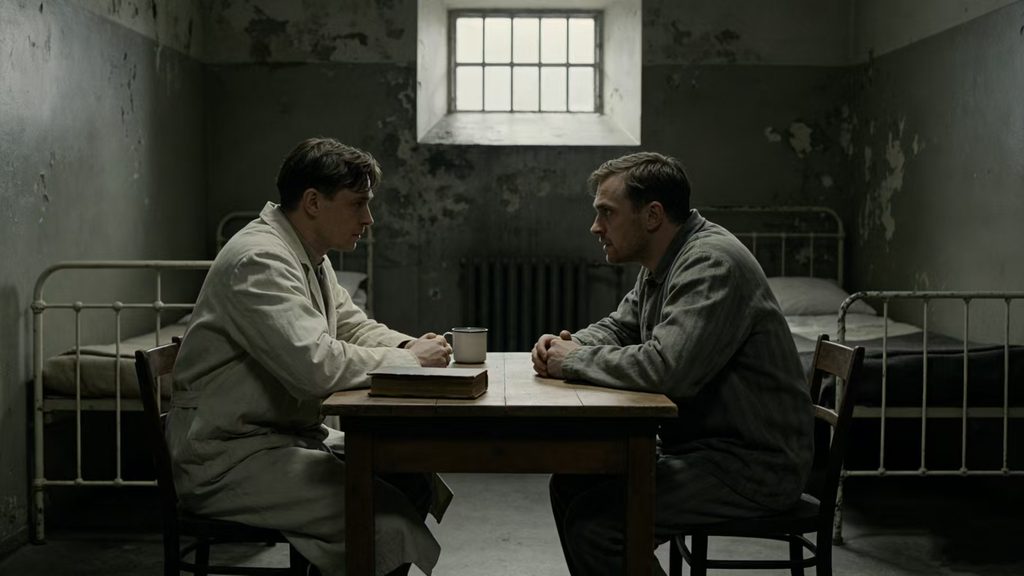
故事发生在一座偏远小城的精神病院,
第六病室是关押精神病人的病房。
医生安德烈·拉京原本善良、爱思考,
信奉“内心平静,苦难不必抗拒”的哲学。
他和被关在这里的知识分子格罗莫夫相识交谈,
思想共鸣,
可在腐朽闭塞的环境里,
拉京最后也被污蔑成疯子,关进这间病室。
小说尖锐批判沙俄时代麻木、僵化的社会,
揭露顺从忍让的哲学在强权压迫下的脆弱,
思考思想、自由、暴力与良知的困境。
英文原文
In a small provincial town,
there stands a hospital.
Within it is Ward No.6,
a low, old building for the mentally ill.
The walls are stained,
the windows barred,
and the air smells of dampness and dirt.
Five patients are locked here,
cut off from the rest of the world.
Dr. Andrey Ragin is the head doctor.
He is gentle, intelligent,
and does not believe in harsh force.
He thinks suffering is unavoidable in life,
and true peace can only be found inside one’s mind.
He rarely visits Ward No.6,
for he hates the ugly cruelty he sees there.
One day,
Ragin meets Ivan Gromov,
a sharp, educated man imprisoned in the ward.
Gromov is not mad in the ordinary sense.
He sees clearly the injustice all around him.
He rages against violence, ignorance,
and the cowardice of people who choose to stay silent.
The two men begin to talk for hours.
Ragin finds in Gromov a mind equal to his own.
For the first time in years,
he has someone who can understand his thoughts.
The staff and townsfolk watch their friendship with suspicion.
People whisper that the doctor is strange,
that he talks too much with a lunatic.
Slowly,
rumors spread.
His enemies seize the chance to ruin him.
They say Ragin has lost his reason.
Before he can defend himself,
he is tricked,
locked away inside Ward No.6.
At first,
Ragin still holds fast to his old philosophy.
He tells himself he can endure.
But the ward’s coldness,
the guards’ brutality,
and the hopeless confinement break his quiet belief.
He learns a terrible truth:
inner peace cannot protect you,
when raw power can take away your freedom at will.
His mind collapses under the shock.
Soon after,
he dies from a stroke inside Ward No.6.
Gromov remains behind the bars.
The unfair, stagnant world of the small town goes on,
unchanged,
unrepentant.
No one truly questions what has happened.
The cage of Ward No.6 stands,
a symbol for the whole society.
译文
在一座偏远的外省小城,
坐落着一所医院。
院内有一间第六病室,
低矮老旧,用来收治精神病人。
墙壁污渍斑驳,
窗户焊着铁栏,
空气里弥漫着潮湿与秽物的气息。
五名病人被囚禁在此,
和外面的世界彻底隔绝。
安德烈·拉京医生是这里的主治医生。
他性情温和、聪慧好学,
不认同粗暴的管束手段。
他认为苦难本就是人生无法避免的,
真正的安宁,只能向人的内心求取。
他很少踏进第六病室,
因为他厌恶这里触目惊心的残酷。
有一天,
拉京遇见了伊万·格罗莫夫,
一个被关在病室里、头脑敏锐、受过教育的人。
格罗莫夫并非世俗意义上的疯癫。
他清清楚楚看穿周遭所有不公。
他痛斥暴力、愚昧,
痛斥那些选择缄默避事之人的怯懦。
两个人常常一谈就是许久。
拉京在格罗莫夫身上,找到了可以和自己对等交流的灵魂。
多年以来,他第一次拥有能够读懂自己想法的人。
医院职员和城里居民看着他们的交往,满心猜忌。
流言四起,说这个医生举止怪异,
总跟疯子交谈。
谣言慢慢扩散开来。
敌视他的人抓住机会,想要毁掉他。
他们宣称拉京已经精神失常。
他来不及辩解,
就被设计圈套,关进了第六病室。
一开始,
拉京还固守着从前的那套人生哲学。
他告诉自己可以忍耐。
但病室的阴冷、看守的粗暴,
还有毫无希望的囚禁,击碎了他平静的信念。
他明白了一个残酷的真相:
当强权可以随意剥夺自由时,
内心的平静根本无法保护一个人。
巨大的冲击摧垮了他。
不久之后,他在第六病室里中风离世。
格罗莫夫依旧留在铁栏之后。
这座小城不公、停滞的世界照常运转,
一切没有改变,
无人为此忏悔。
第六病室这座牢笼静静立在那里,
成为整个社会的缩影。
🔍长难句赏析与拆解
原句一
In a small provincial town,
there stands a hospital.
Within it is Ward No.6,
a low, old building for the mentally ill.
句式解读
there stands 倒装句式;
a low, old building 同位语,解释 Ward No.6,
开篇直接交代空间,奠定压抑灰暗的基调。
主干:There stands a hospital. Within it is Ward No.6.
原句二
He thinks suffering is unavoidable in life,
and true peace can only be found inside one’s mind.
句式解读
省略引导词that的宾语从句,由and并列两个分句;
这句话是拉京核心思想,
和后文他的崩溃形成强烈对照。
主干:He thinks (that) suffering is unavoidable
and true peace can only be found inside one’s mind.
原句三
He learns a terrible truth:
inner peace cannot protect you,
when raw power can take away your freedom at will.
句式解读
冒号引出truth的具体内容;
when引导条件状语从句,点明故事核心反讽,
推翻拉京原本的处世信念。
主干:He learns a terrible truth.
📖全篇句式特点
文本采用冷静克制的叙事语调,
是契诃夫典型的社会心理叙事。
开篇铺陈封闭压抑的病房环境,
慢慢推进两位思想者的对话;
中段暗流涌动,谣言悄悄积蓄危机;
转折突如其来,医生从旁观者沦为囚徒。
文字不激烈呐喊,
用平静的叙述写出刺骨的荒诞。
结尾留白,没有惩恶扬善,
凸显整个环境的顽固麻木。
适合学习倒装、同位语、反讽叙事。
🔖核心词汇
1. provincial
/prəˈvɪnʃl/
外省的,偏远小城的
形容词(adj.)
2. mental
/ˈmentl/
精神的,心智的
形容词(adj.)
3. imprison
/ɪmˈprɪzn/
关押,囚禁
动词(v.)
4. injustice
/ɪnˈdʒʌstɪs/
不公,非正义
名词(n.)
5. suspicion
/səˈspɪʃn/
怀疑,猜忌
名词(n.)
6. rumor
/ˈruːmə(r)/
谣言
名词(n.)
7. confine
/kənˈfaɪn/
禁锢,限制
动词(v.)
8. brutal
/ˈbruːtl/
粗暴的,野蛮的
形容词(adj.)
9. stagnant
/ˈstæɡnənt/
停滞的,死气沉沉的
形容词(adj.)
10. symbol
/ˈsɪmbl/
象征
名词(n.)
📜文学赏析
《第六病室》是契诃夫社会批判小说的巅峰。
这间病房不只是精神病院,
它是沙俄僵化社会的缩影。
拉京信奉精神自洽、忍耐苦难,
以为依靠内心就能超脱现实压迫。
格罗莫夫是清醒的反抗者,
他看穿强权的蛮横。
极具悲剧性的地方在于:
想要思考、想要保持清醒的人,
很容易被这个麻木的世界贴上“疯子”的标签。
当暴力可以随意定义正常与疯狂,
哲学和沉思就变得脆弱不堪。
契诃夫没有高声控诉,
而是用冷静的故事,
拷问妥协、顺从的生存哲学。
💡主旨品读
小说想要表达:
仅仅依靠内心的安宁与忍耐,
无法对抗肆意的强权与系统性的不公。
一个封闭麻木的社会,
会把清醒思考的人视作异类,
甚至将其囚禁。
思想的自由,离不开现实层面的自由作为根基。
沉默的顺从,有时正是在纵容压迫。
©英语数字智库 版权所有
未经权利人许可,不得转载、摘抄、复制、
二次编辑或商用分发,违者将依法追究法律责任。
请点击返回首页收录经典目录